Tag: anthropomorphism

  • Ecomorphic Puppet Workshop and lecture | Kaboom Animation Festival

    Ecomorphic Puppet Workshop and lecture | Kaboom Animation Festival

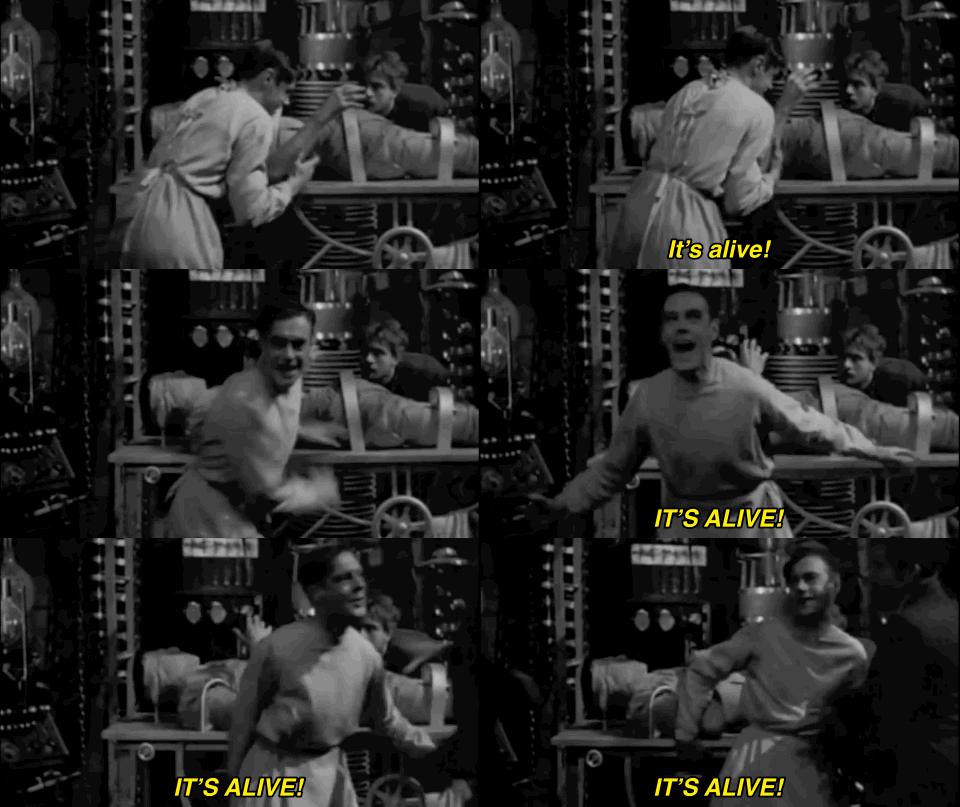
    A hybrid lecture-performance and participatory workshop exploring how we project humanity onto nonhumans, and how masks, puppets, and animated characters shape our sense of self and world. The project weaves theory, film examples and audience-puppetry to move from classic anthropomorphism toward “ecomorphism”: relating to animals, objects, and systems on their own terms rather than domesticating them into human ideals.

    Participants are invited to make simple sock puppets to then experiment with voice ownership, role swaps, and fourth-wall breaks to feel how identity co-emerges between mask and wearer. The lecture will be about suspension of disbelief and uncanny presence. References range from Disney, Gille Deleuze, Sergej Eisenstein, Donna Haraway, and Paul Wells to stop-motion material resistance and game worlds like Katamari or Everything, that explore relation over domination.

    Anthropomorphism vs ecomorphism, mask as code and persona, animism, the uncanny, ethics of representation, AI’s simulated “aliveness,” and the use of cuteness and stereotype in animation.

    Researching how belief, empathy, and projection are constructed in animation and puppetry.

    Practice decentering the human gaze through material play.

    Reflect on identity as performance and relation rather than essence.

    It will be a playful, critical laboratory that shifts viewers from consuming representations to co-creating relations—trading sanitized spectacle for the vivid, sometimes difficult aliveness of making and being made.
  • Doodling

    Doodling

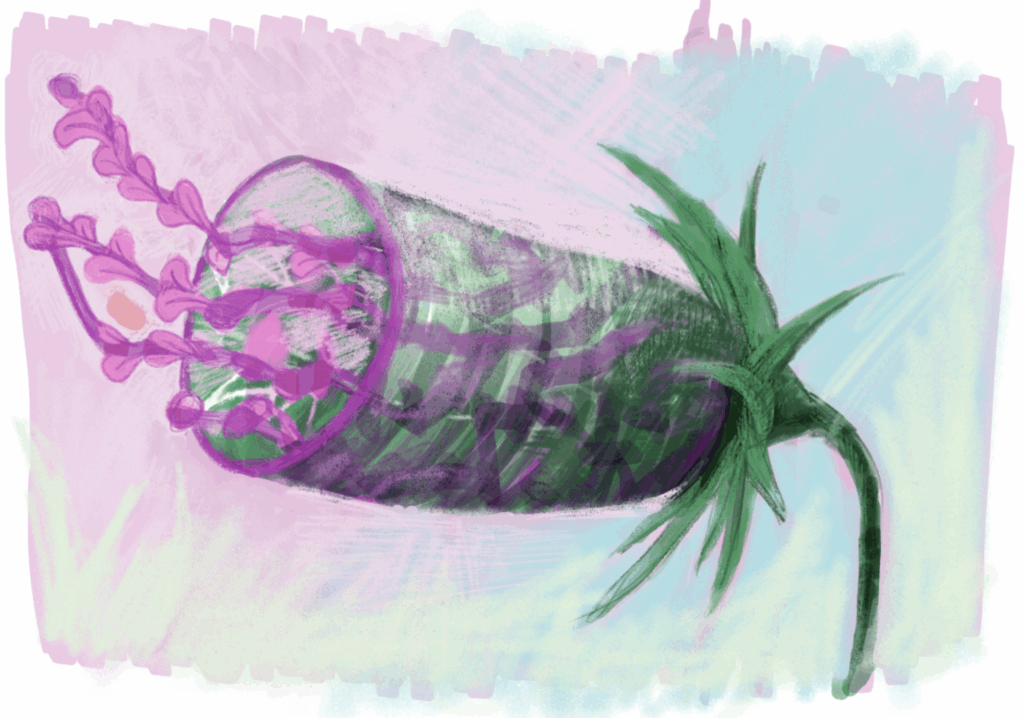
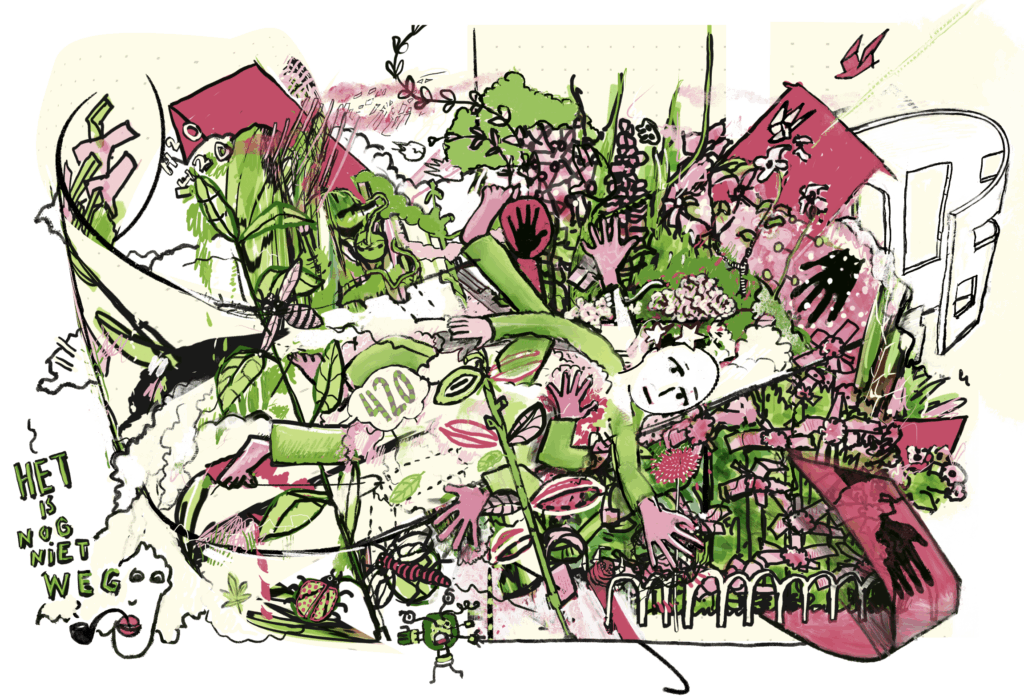
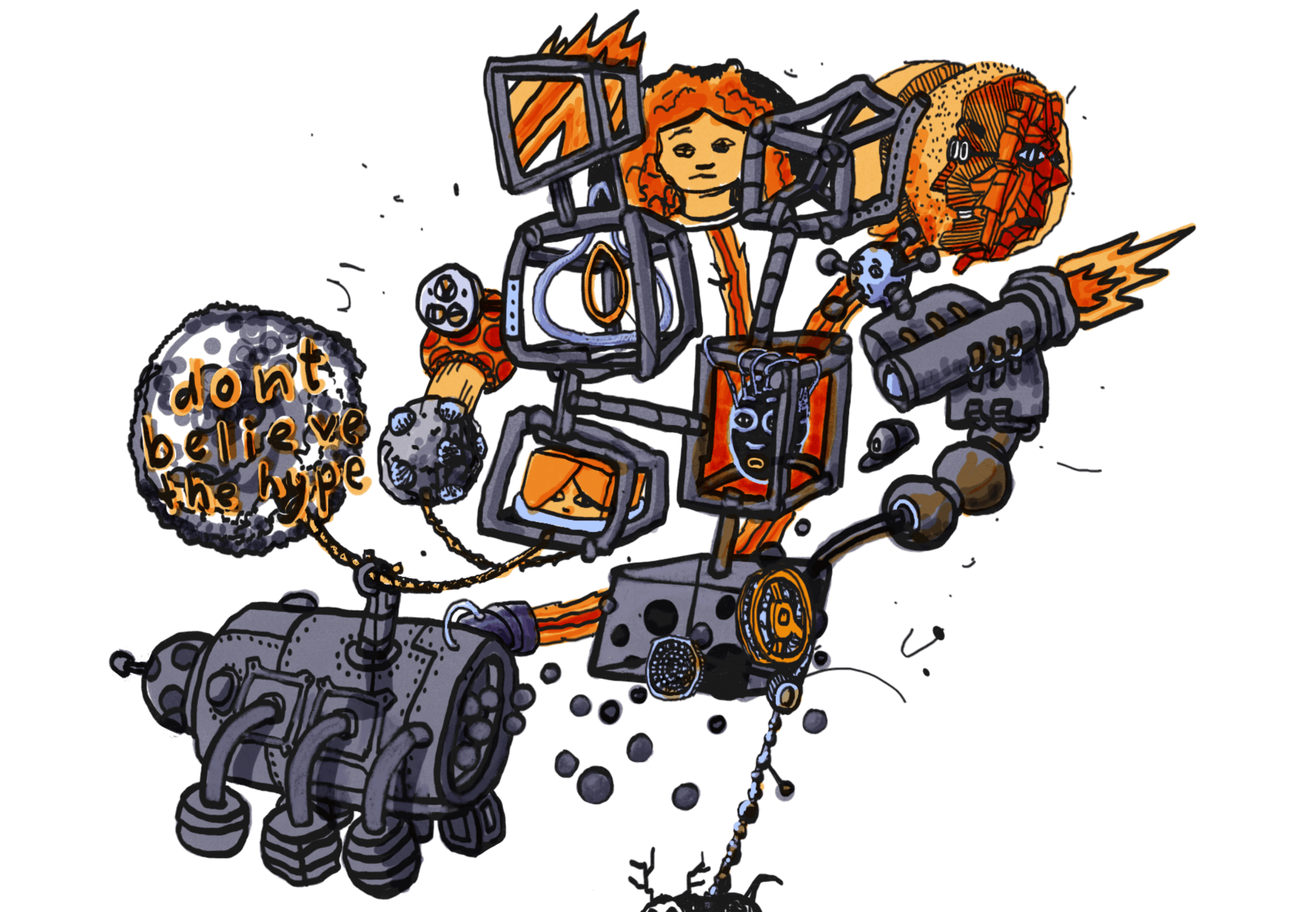
    I teach in the illustration major at WDKA, and yet I rarely find time to draw myself. What I manage to do are doodles during meetings. They become pretty intricate, the meetings can be quite long. Doodling resonates with me because I see the world as a vast compost heap: everything decays, everything transforms. We are all biodegradable, always in the process of returning to dust. Doodling is a similar organic process and it makes this process visible.

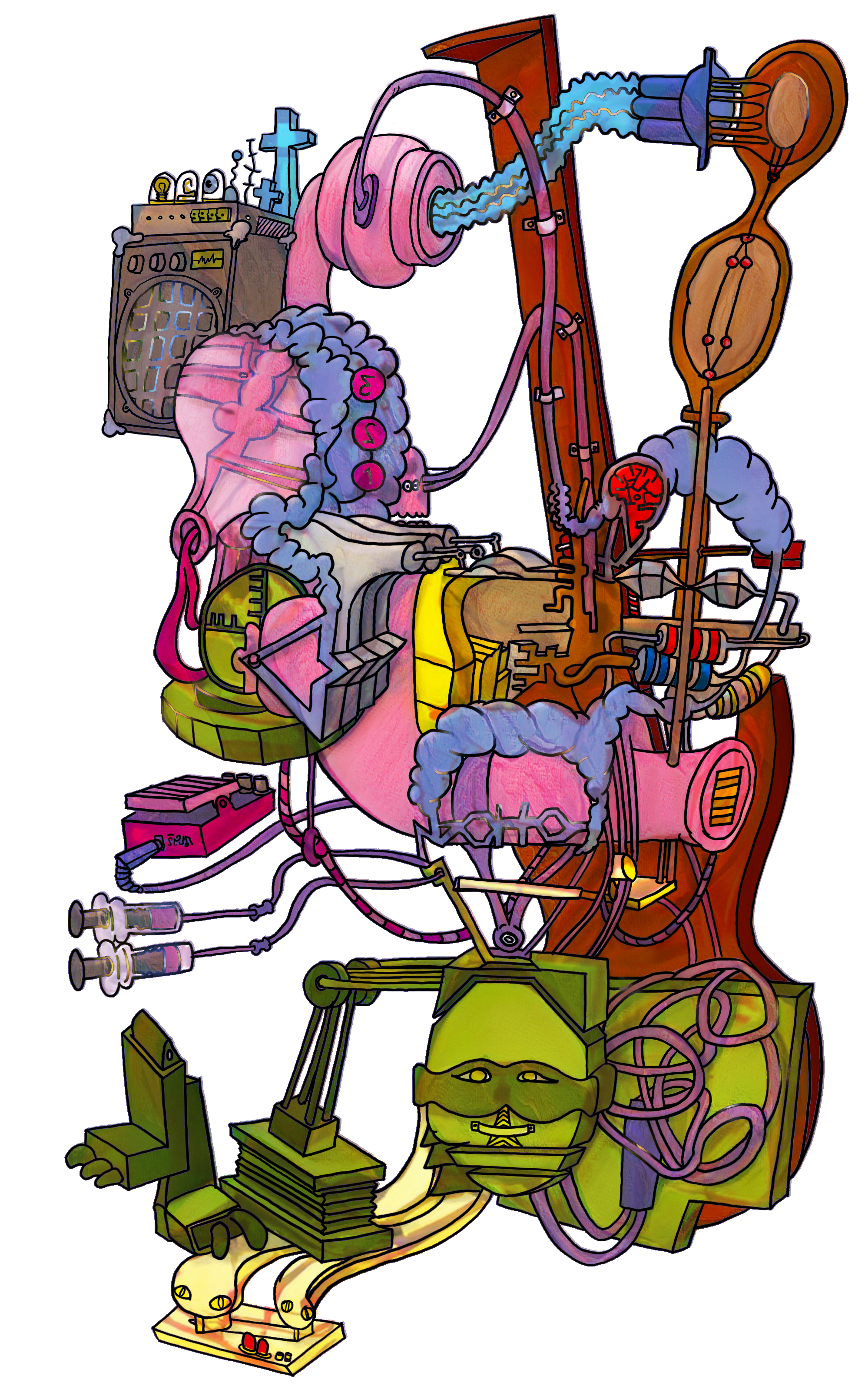
    In these marks, creatures emerge—cyborg-like insects, alien underwater beings, forms that fuse and mutate with humans. Everything is in flux, blending, dissolving, recombining.

    Besides that organic growth, the fable of the grasshopper and the ant is often present: the ant stores, stacks, and plans; the grasshopper sings, dreams, and dances. I have always thought myself as the grasshopper: distracted, imaginative, irresponsibly alive while the world moves on without me.

    But my sense of time and mortality has shifted. Death is no longer a distant endpoint, it is here all the time, just as life is. In a material worldview, death is merely the end of systems, the disintegration of structures. But life is also disintegration; to live is to die, and to die is to live. It is a verb, a process, a continuous becoming. There is no fixed essence, no solid self—only perpetual transformation.

    Every moment is entirely new. We never “become” compost, because we were never solid to begin with. We are always in flux, always in motion, always dissolving.

    When I doodle, without intention, this understanding is sometimes revealed. Everything is radical temporality. Doodling is meditating on impermanence, on the constant blend between creation and decay.