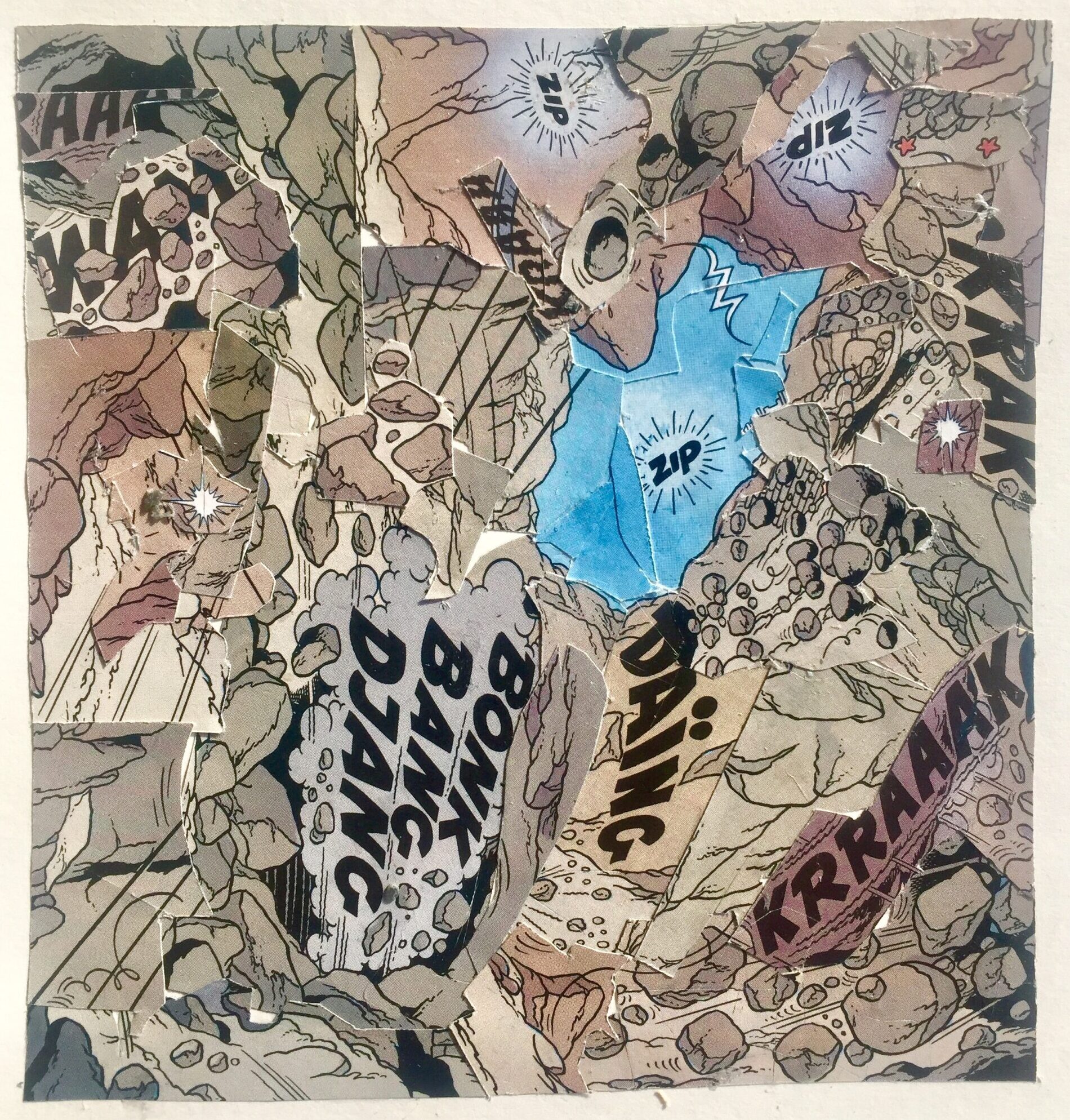
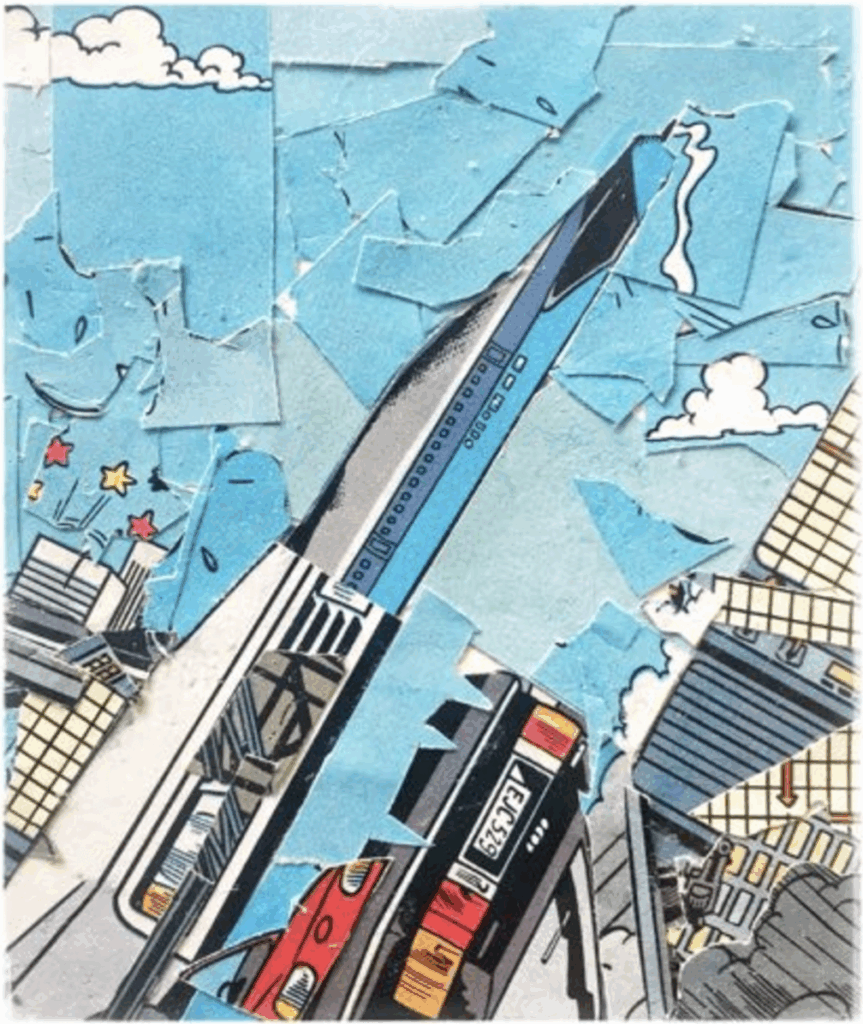
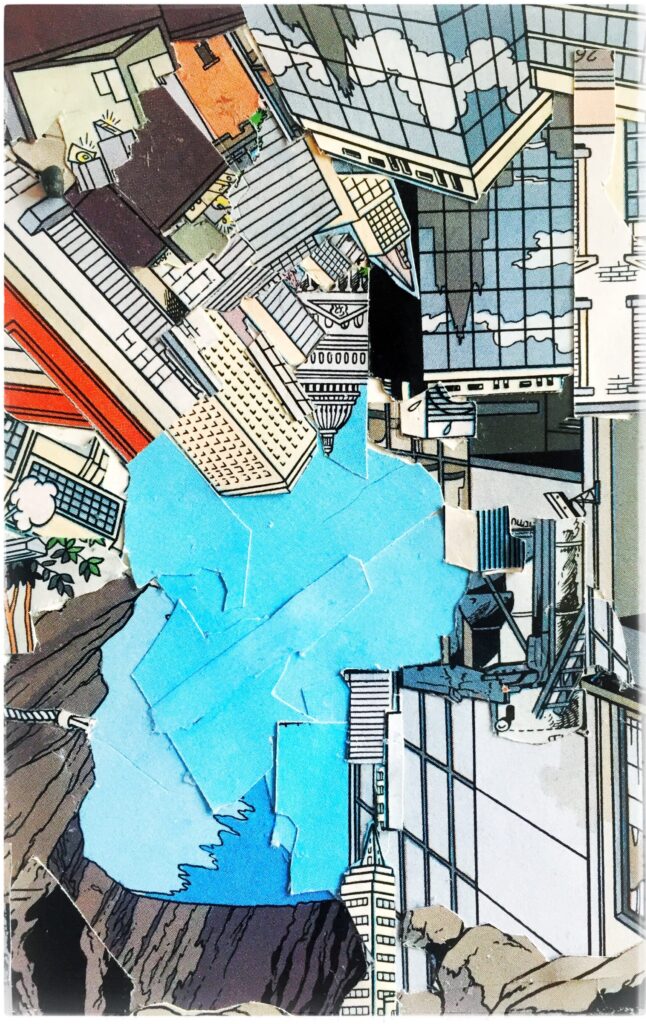
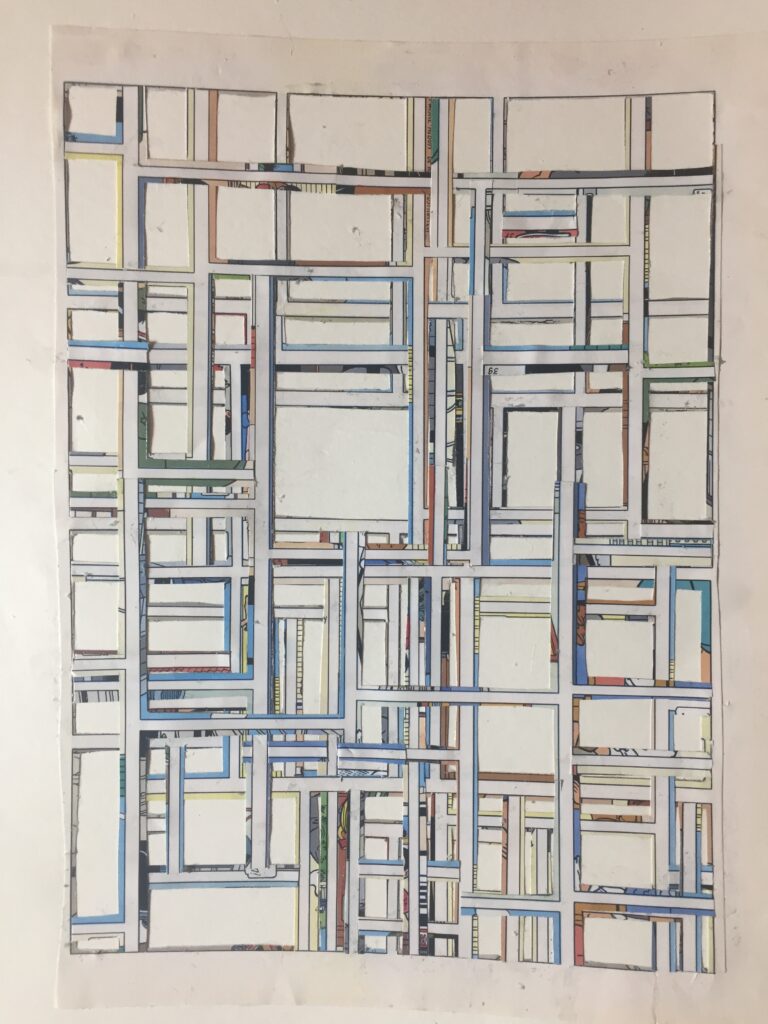
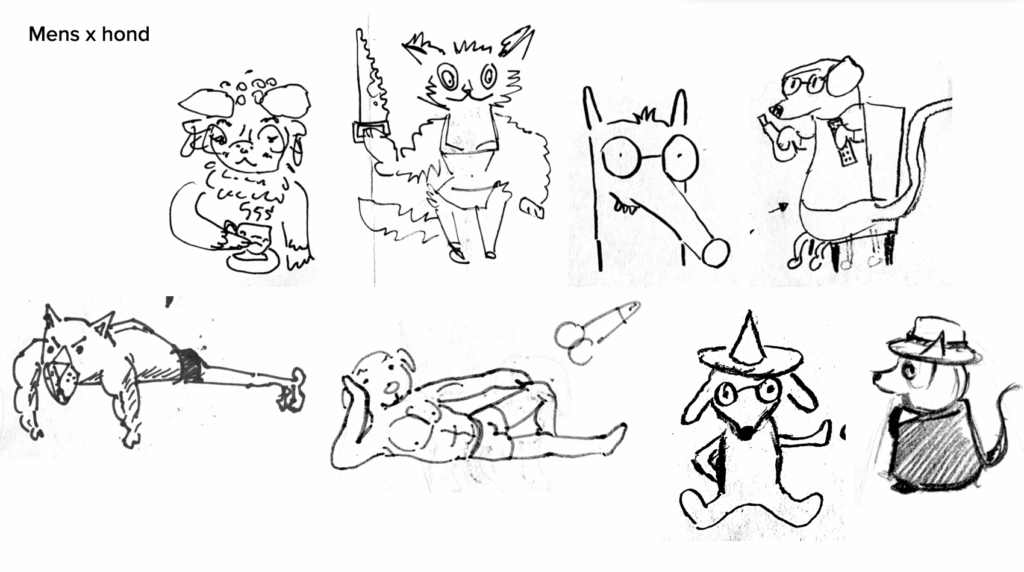
A place to start to gather / collect drawings / collage / prints / 2d images made without a project attached…







A place to start to gather / collect drawings / collage / prints / 2d images made without a project attached…

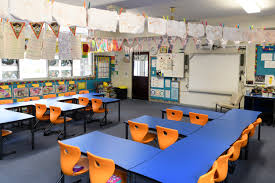
Before my class starts, when the room fills with students still waking up, I am moving around tables and chairs. Usually the chairs and tables are scattered around the room, sometimes they are in lines or pods.
I start every class in a circle. Every class.
Creating a circle of chairs is my little exercise in social architecture before I teach.
A sitting circle is a small arena where everybody is actor and audience. Everytime someone speaks, fidgets, laughs it is visible to everyone else. The circle makes all hierarchy flat. Not because we are equal, but because we are all visible. Visibility is scary, it implies accountability. But it also holds tenderness and vulnerability. Every presence has weight.
WDKA (the academy I teach at) had as it’s motto for a long time that it was a learning community. A learning community to me is a place where we learn from each-other, by being a community. A community is not sitting chaotically spread out over a room or in tight lines.


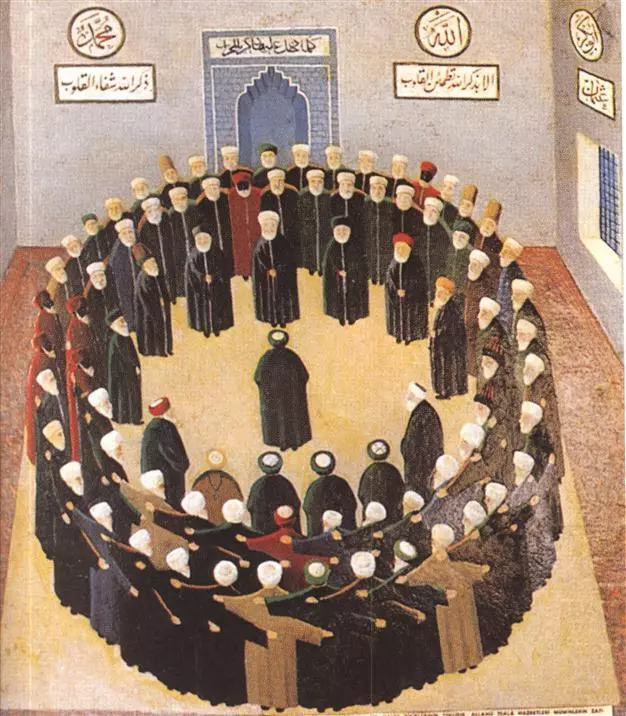

A community has the opportunity to see every participator directly in the eyes. To see their expressions. To be on the same height as the others, to hear the others speak directly in to their face. Sitting in a circle also means facing away from the outside world, turning inward together. Focussing on the fire, sharing stories, the warmth of the fire warming each person equally.
When someone arrives late and the circle expands to let them in, the group has to perform the choreography of welcome. It is a little painful sometimes, there is no way to enter the group without acknowledging you are late, and the whole group has to physically accommodate for the new member. This is not to shame, but to make aware, and also to show how important your presence is, you shift the whole circle! It also show how safe you are when you are in the circle.
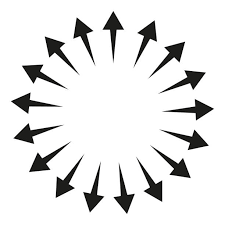
The circle also directs our behaviour to focus and radiation. We focus on what is in the middle and what is in the middle radiates outwards through all participants.


Of course every teacher chooses their own landscape to teach from. There are many other seating shapes—lines, horseshoes, clusters—and many educators have written about them. But i just think, why even talk about these others? The circle is clearly the the best! My learning style relies on dialogue, on the way ideas bounce and ripple through a group. We work on collaboration, on impact, on how a piece of art, illustration, performance or animation communicates—and that kind of learning works best when we can actually see each other doing it.
Even when students break into smaller groups, I still ask them to turn toward each other, to make a tiny circle.


I do have to say though that there is one seating arrangement I would love to sit in even more. It is the ultimate shape, the 3 dimensional circle. I want to sit in spheres!
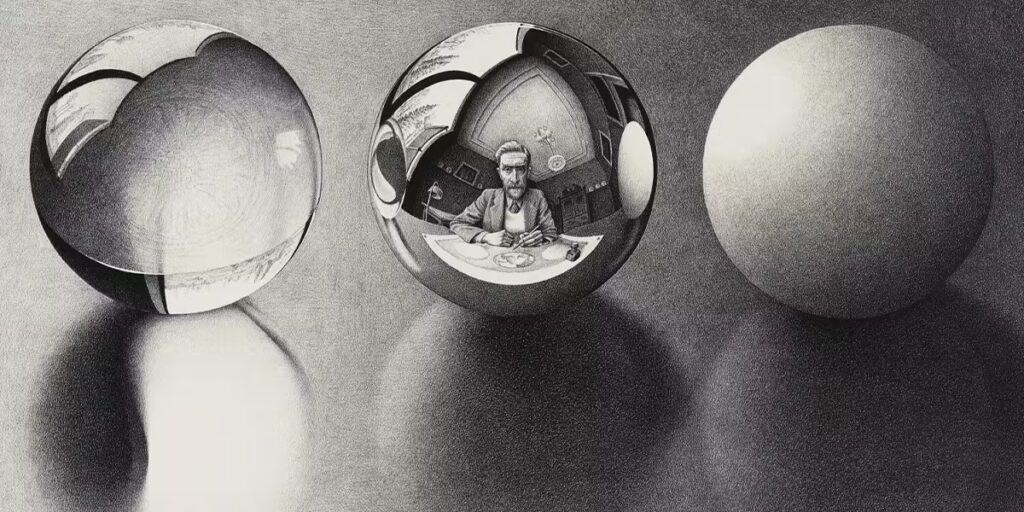
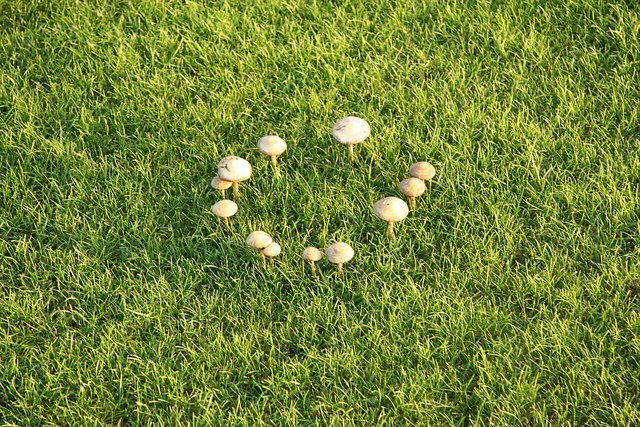
All jokes aside, the circle also has a lot of other interesting meanings in the subjects I teach.
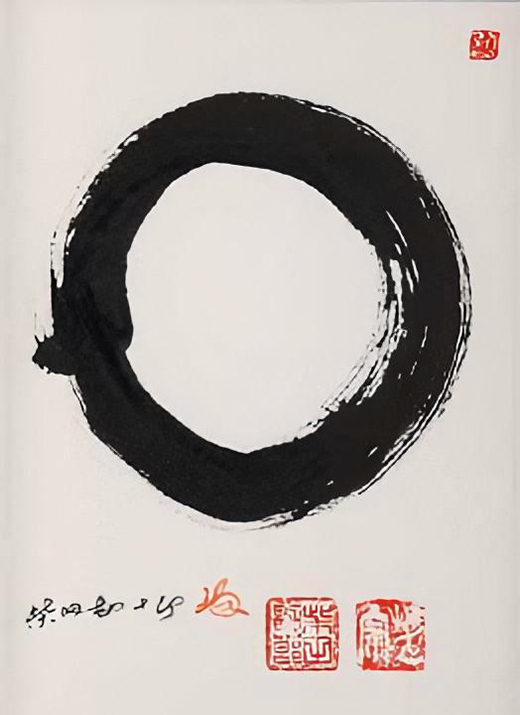
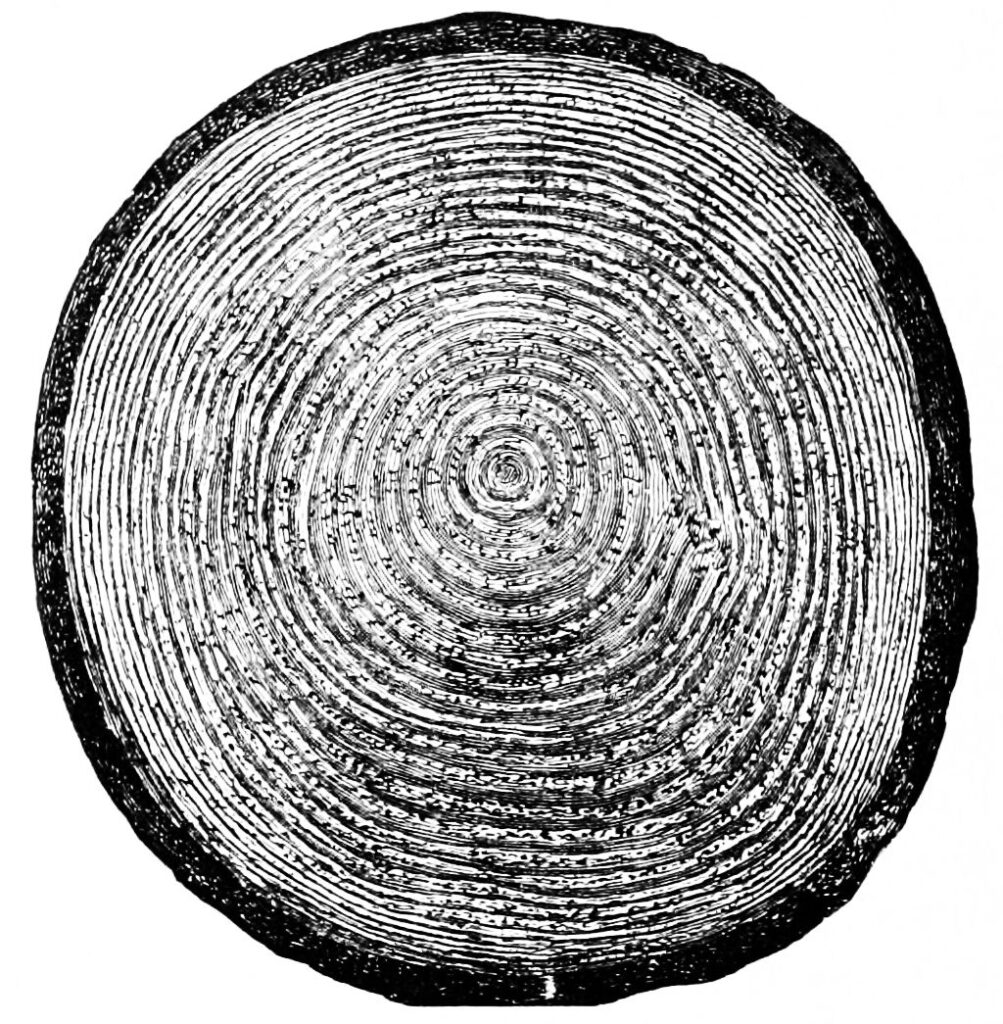
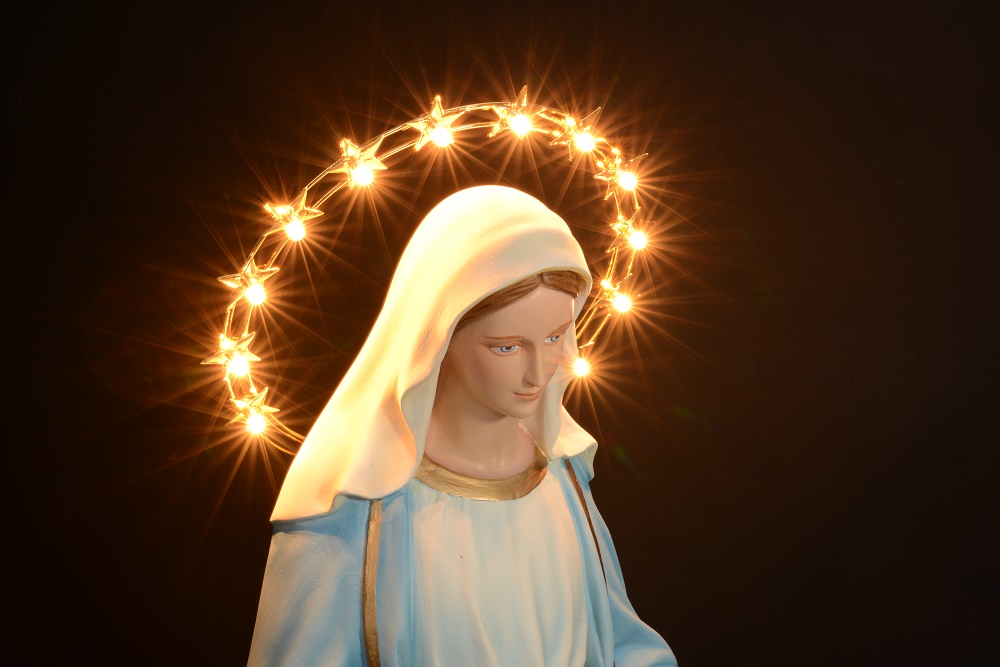
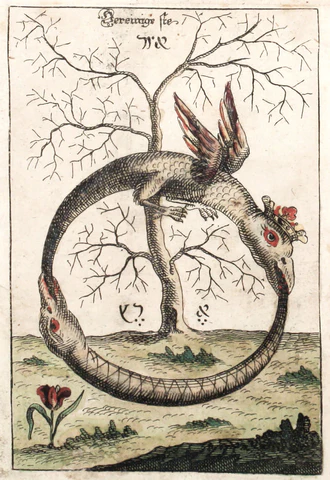
Endlessness, boundaries, the hero’s journey, the snake eating it’s own tail, the walkcycle, the colorcircle, the animated loop. The circle of life, the wish to draw the perfect circle, the echo, the eye, it’s realtion to human proportions.
Every time we form a circle, we create a community.
A community with a shared centre, a space that holds us while we learn how to see each other, and ourselves, a little more clearly
Let’s hold hands and talk about it 🙂









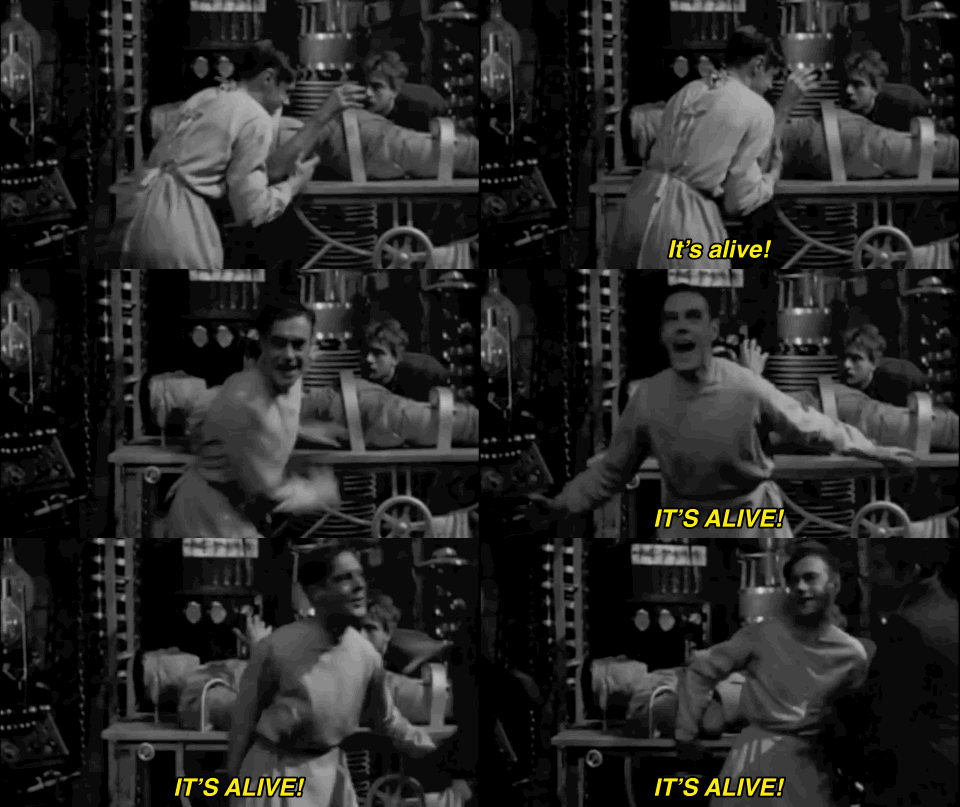
A hybrid lecture-performance and participatory workshop exploring how we project humanity onto nonhumans, and how masks, puppets, and animated characters shape our sense of self and world. The project weaves theory, film examples and audience-puppetry to move from classic anthropomorphism toward “ecomorphism”: relating to animals, objects, and systems on their own terms rather than domesticating them into human ideals.
Participants are invited to make simple sock puppets to then experiment with voice ownership, role swaps, and fourth-wall breaks to feel how identity co-emerges between mask and wearer. The lecture will be about suspension of disbelief and uncanny presence. References range from Disney, Gille Deleuze, Sergej Eisenstein, Donna Haraway, and Paul Wells to stop-motion material resistance and game worlds like Katamari or Everything, that explore relation over domination.
Anthropomorphism vs ecomorphism, mask as code and persona, animism, the uncanny, ethics of representation, AI’s simulated “aliveness,” and the use of cuteness and stereotype in animation.
Researching how belief, empathy, and projection are constructed in animation and puppetry.
Practice decentering the human gaze through material play.
Reflect on identity as performance and relation rather than essence.
It will be a playful, critical laboratory that shifts viewers from consuming representations to co-creating relations—trading sanitized spectacle for the vivid, sometimes difficult aliveness of making and being made.

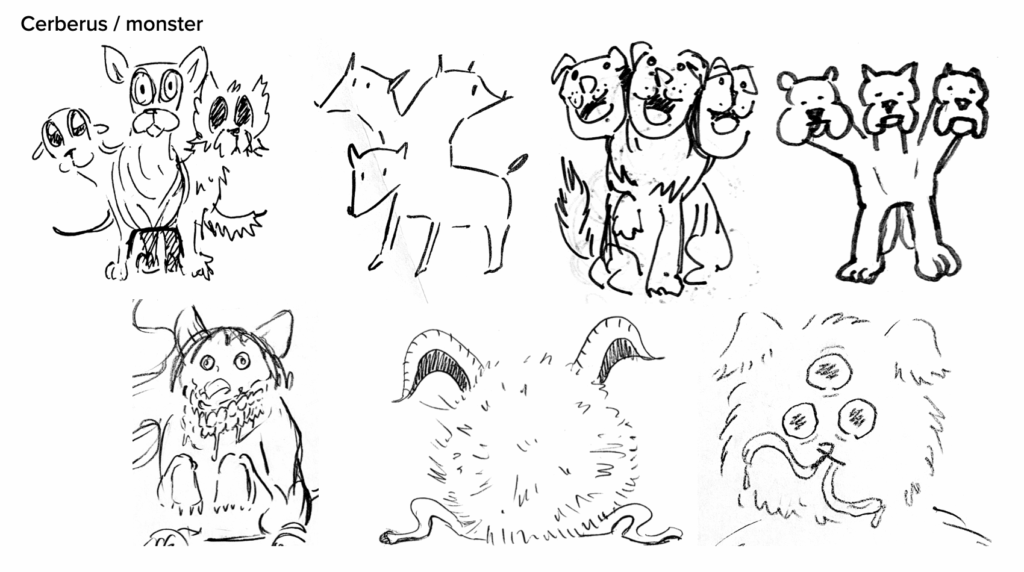
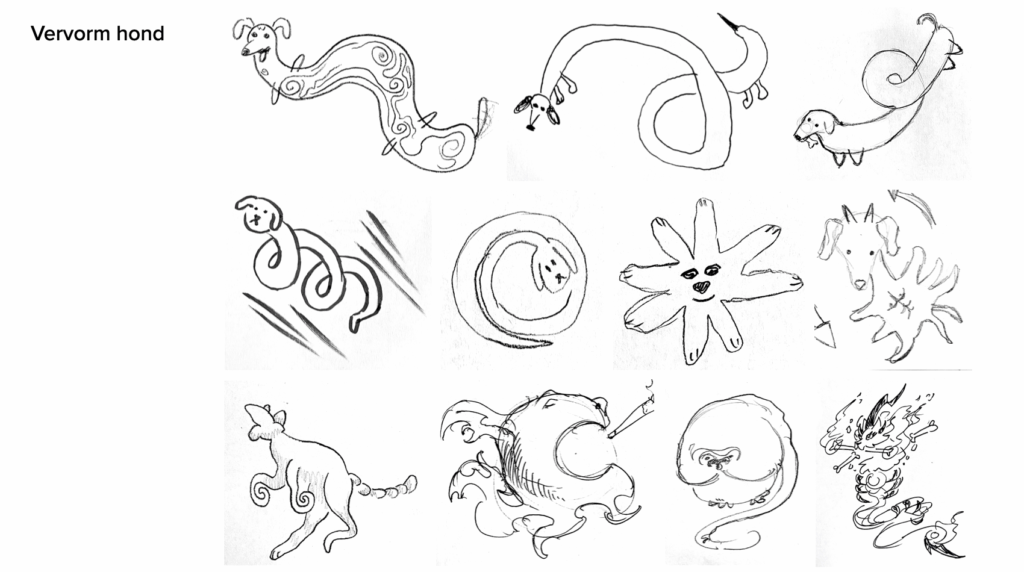
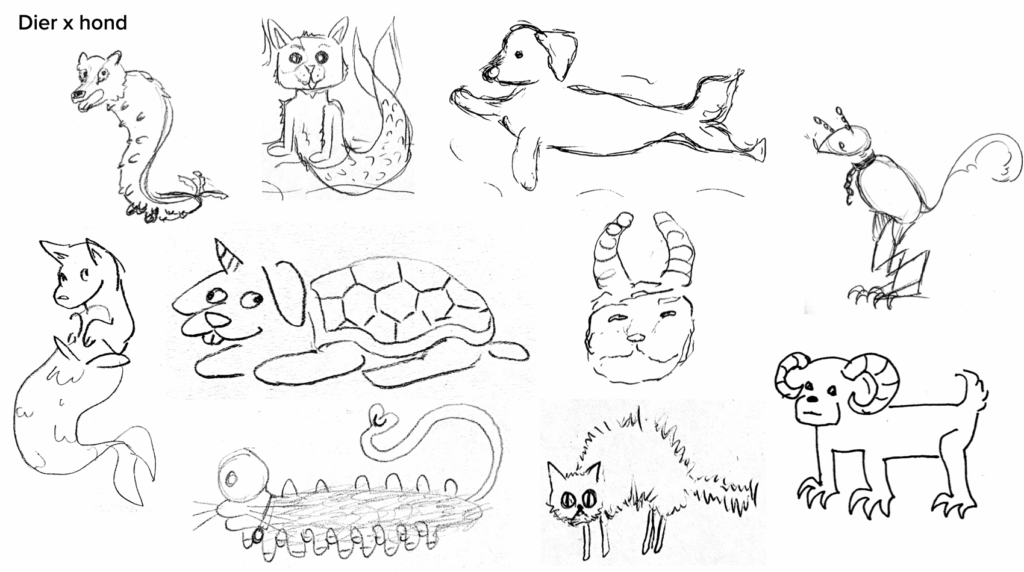
This workshop is a playful, multi‑year experiment that I am doing with many groups of people. Participants draw dogs from memory, observation, and imagination to discover and learn about how our minds store and compress visual ideas. By doing experiments and comparing them we explore drawing as a language and a tool for creative thinking. Continuously uncovering our hidden patterns.
No drawing skill is needed for this workshop 🙂, this is about exploration, not perfection. It shows how creativity emerges when habitual patterns are broken and imagination takes the lead, connecting object, eye, hand, and mind in a direct, embodied way.
For artists, students, educators, and curious minds who want to rethink representation, push creative boundaries, and play with visual thinking.
You can book this as a fun and interactive starter for your creative team meetings! And in the process you help me gather more dog-drawings that I will finally use in an exhibition! The workshop works well as an interactive presentation of about 45 minutes.
contact me if you are interested! mathijs@cardboarders.com
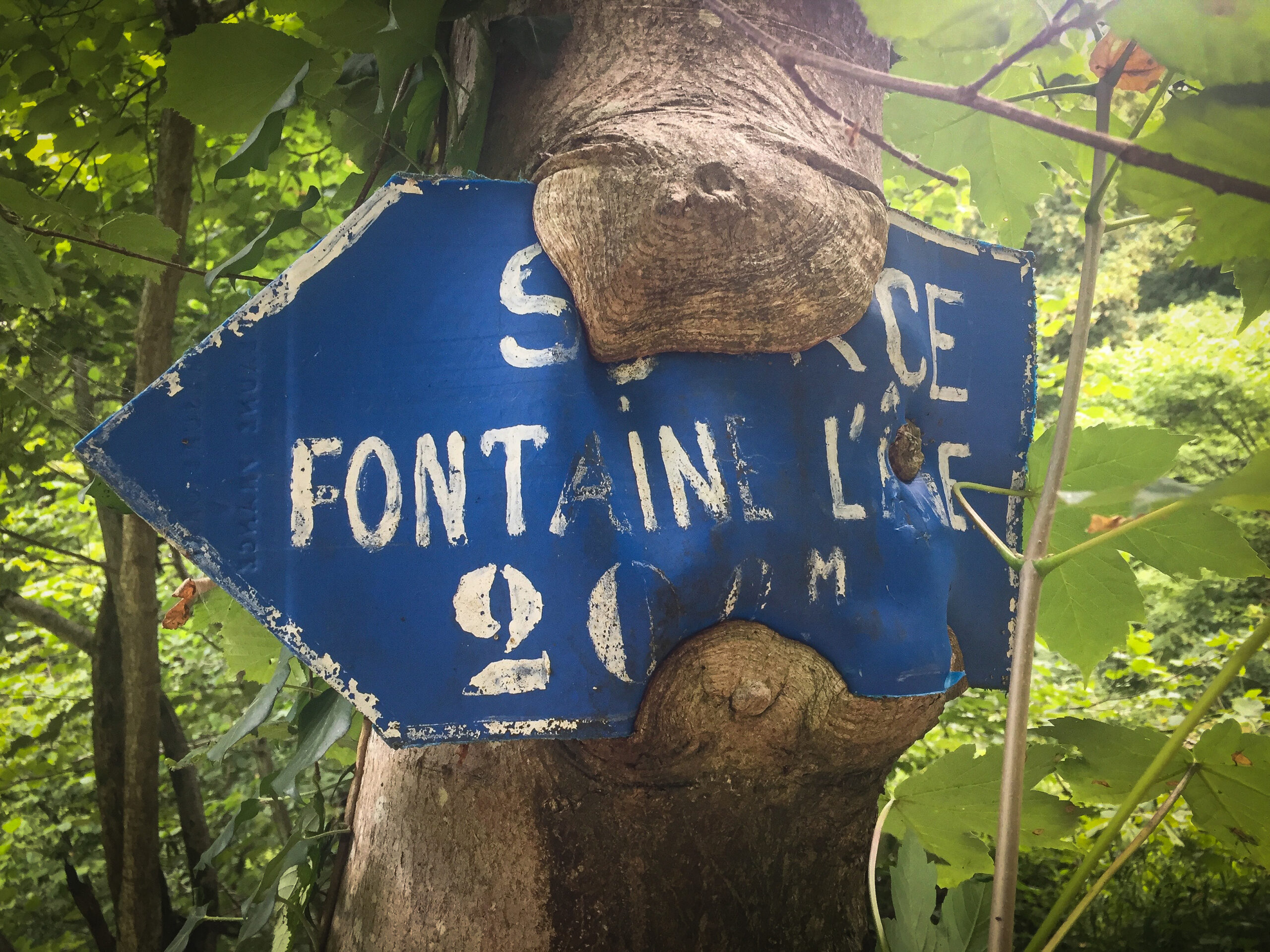
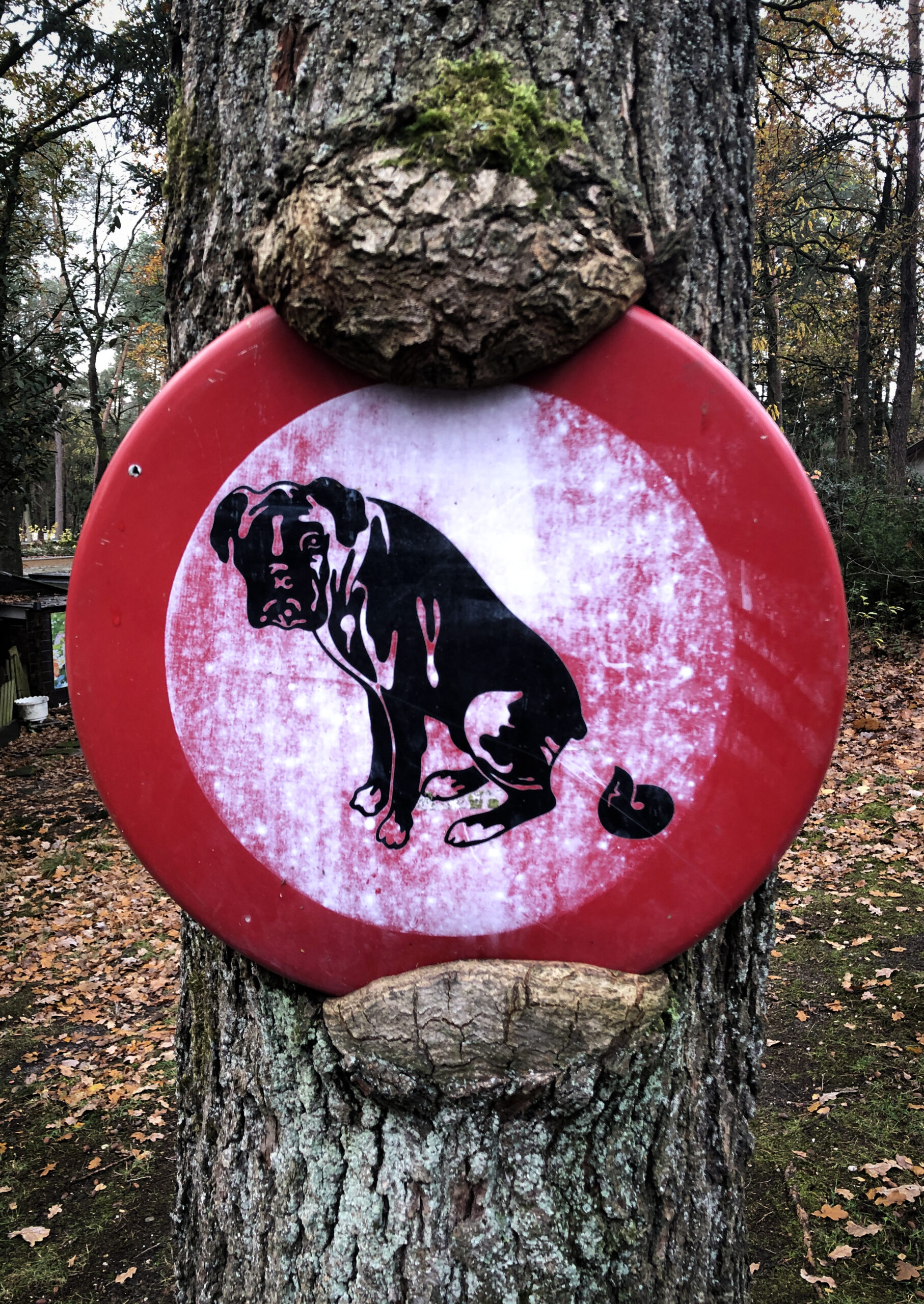
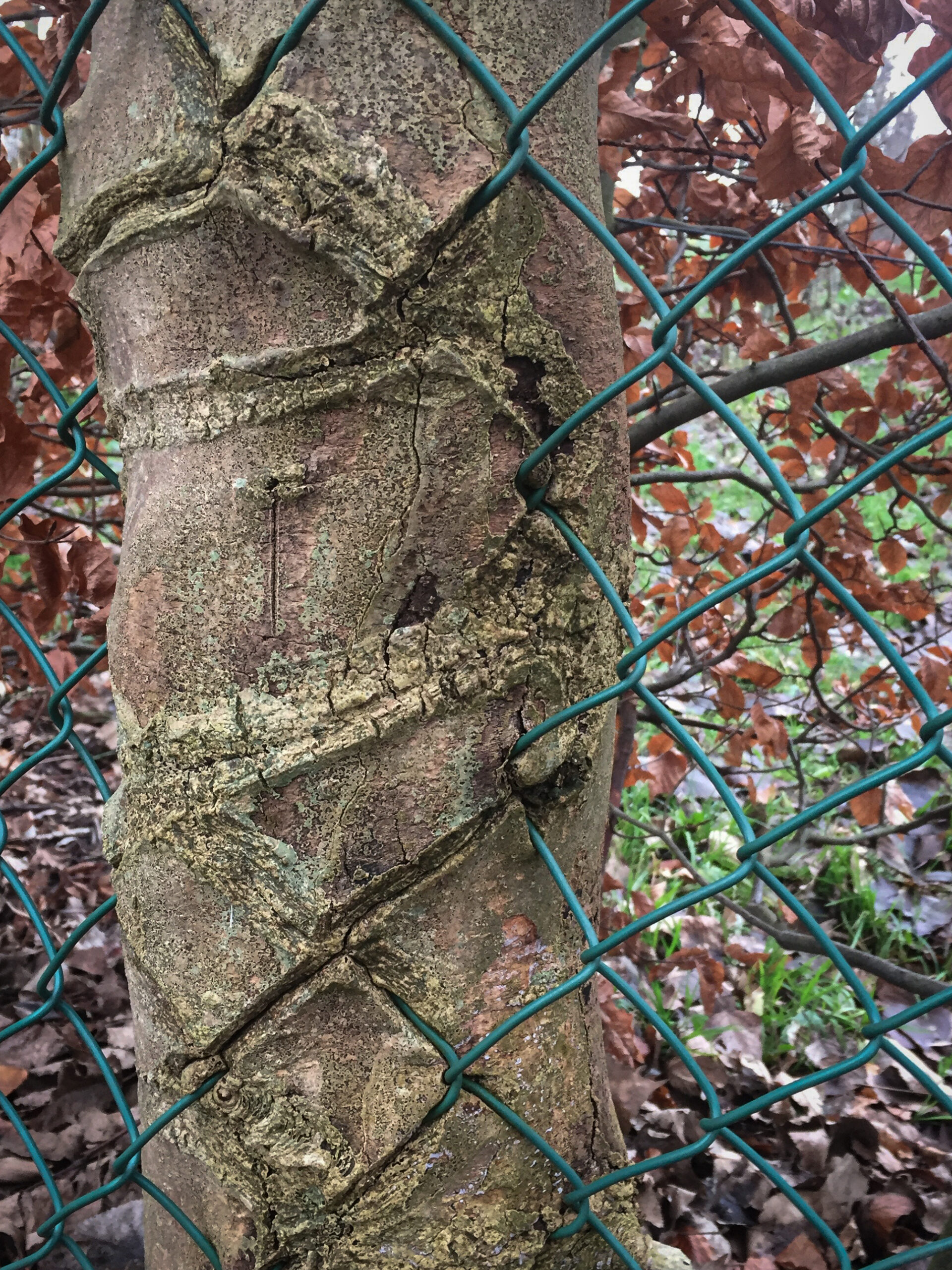
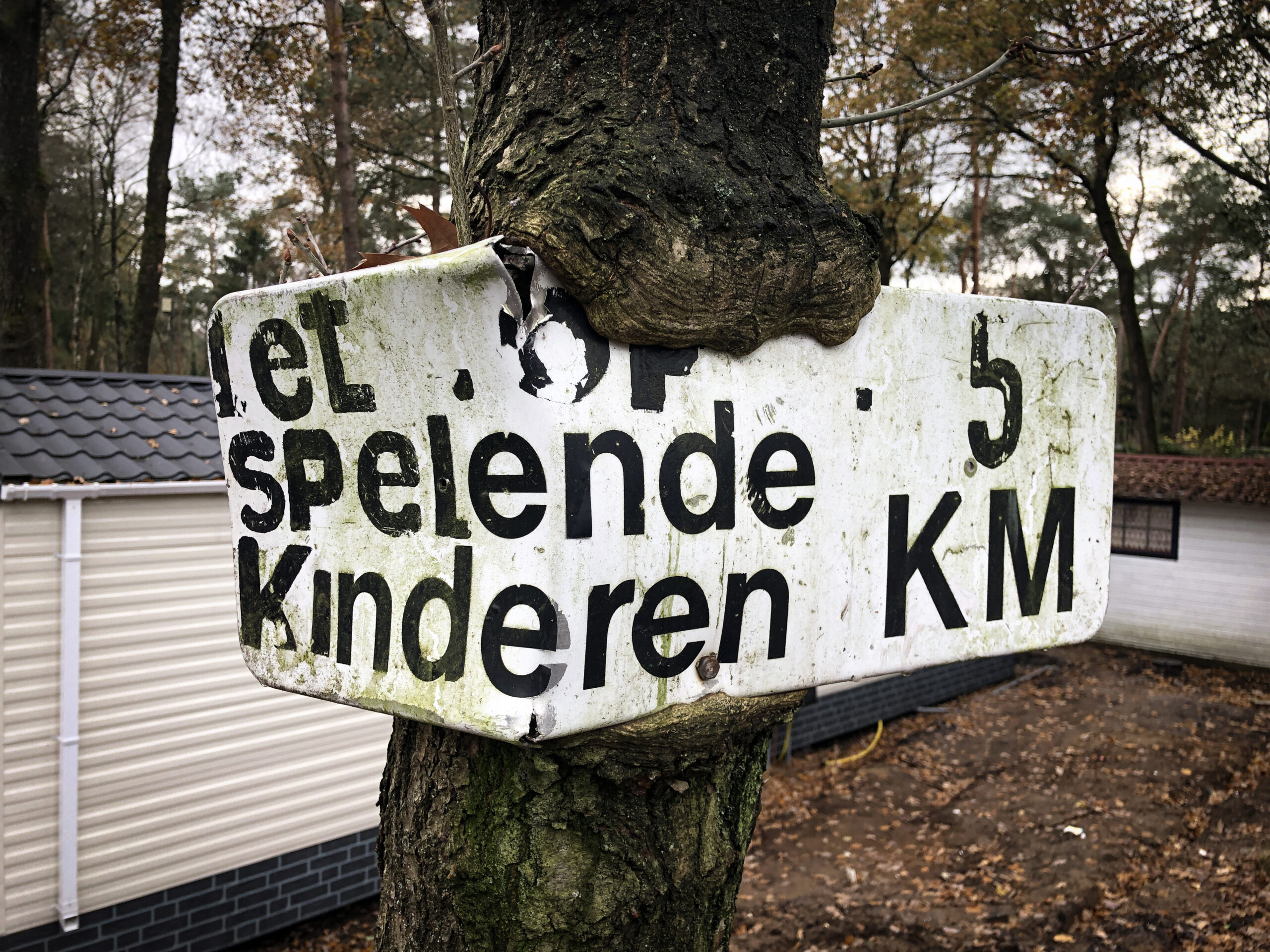
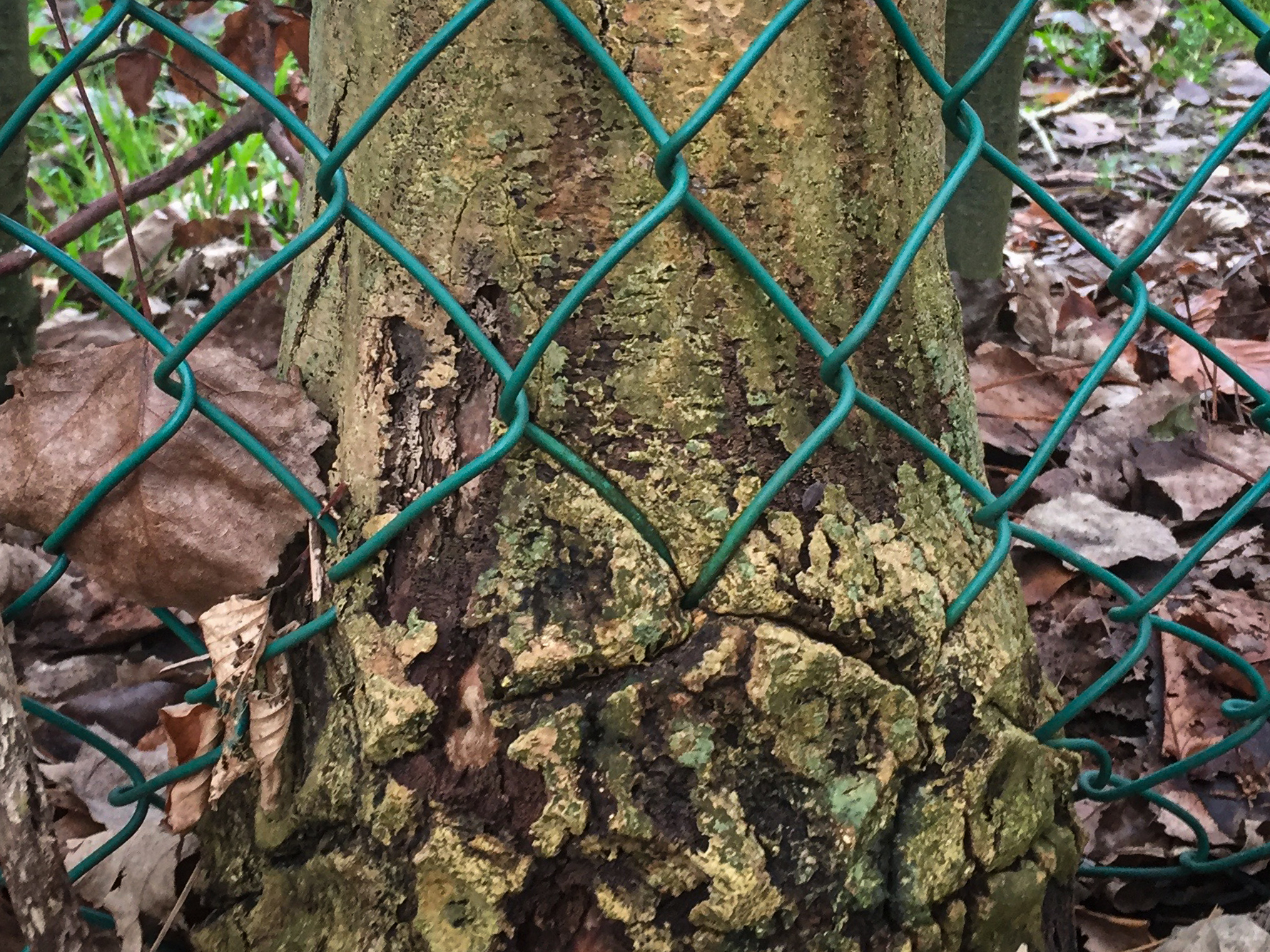
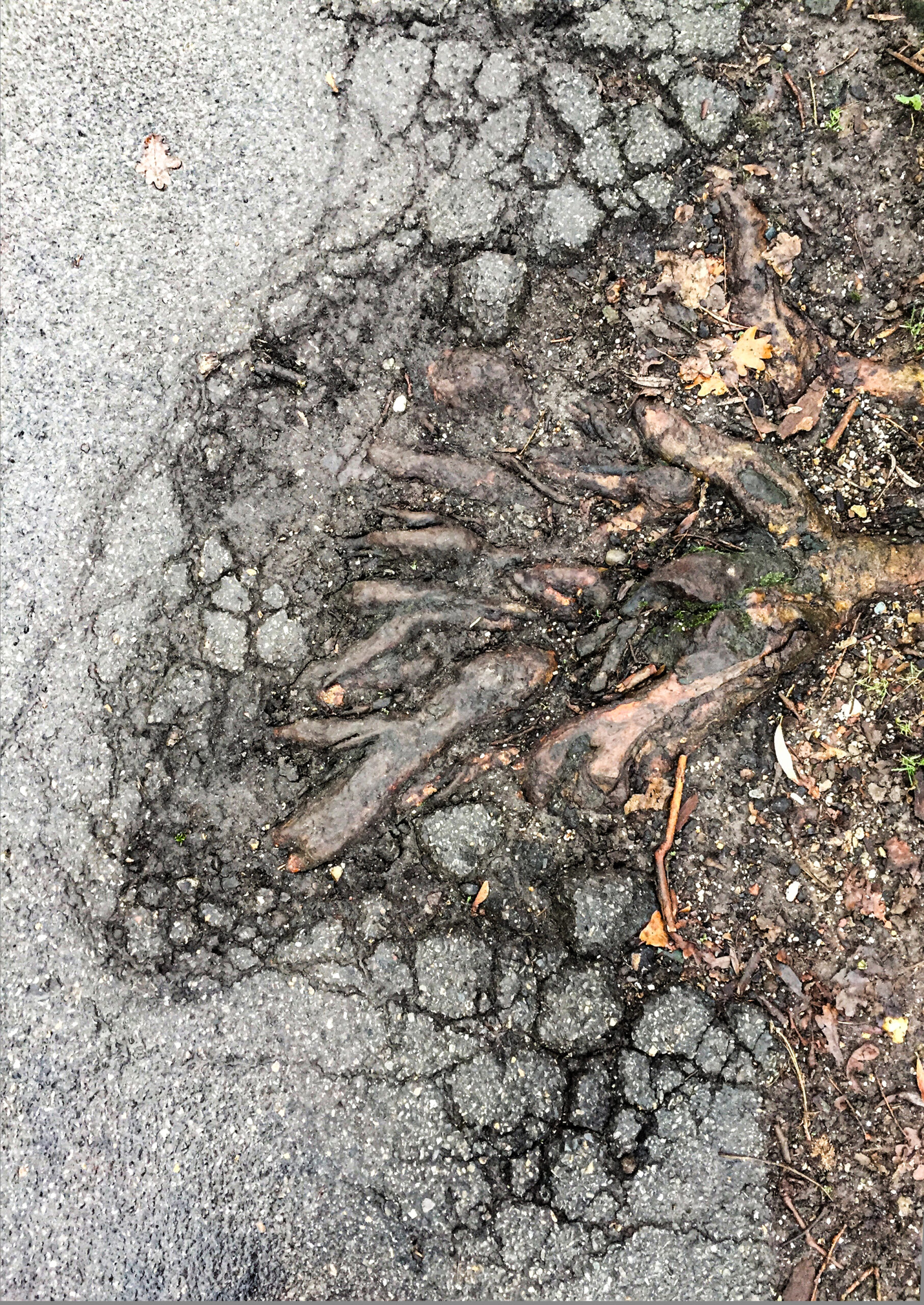
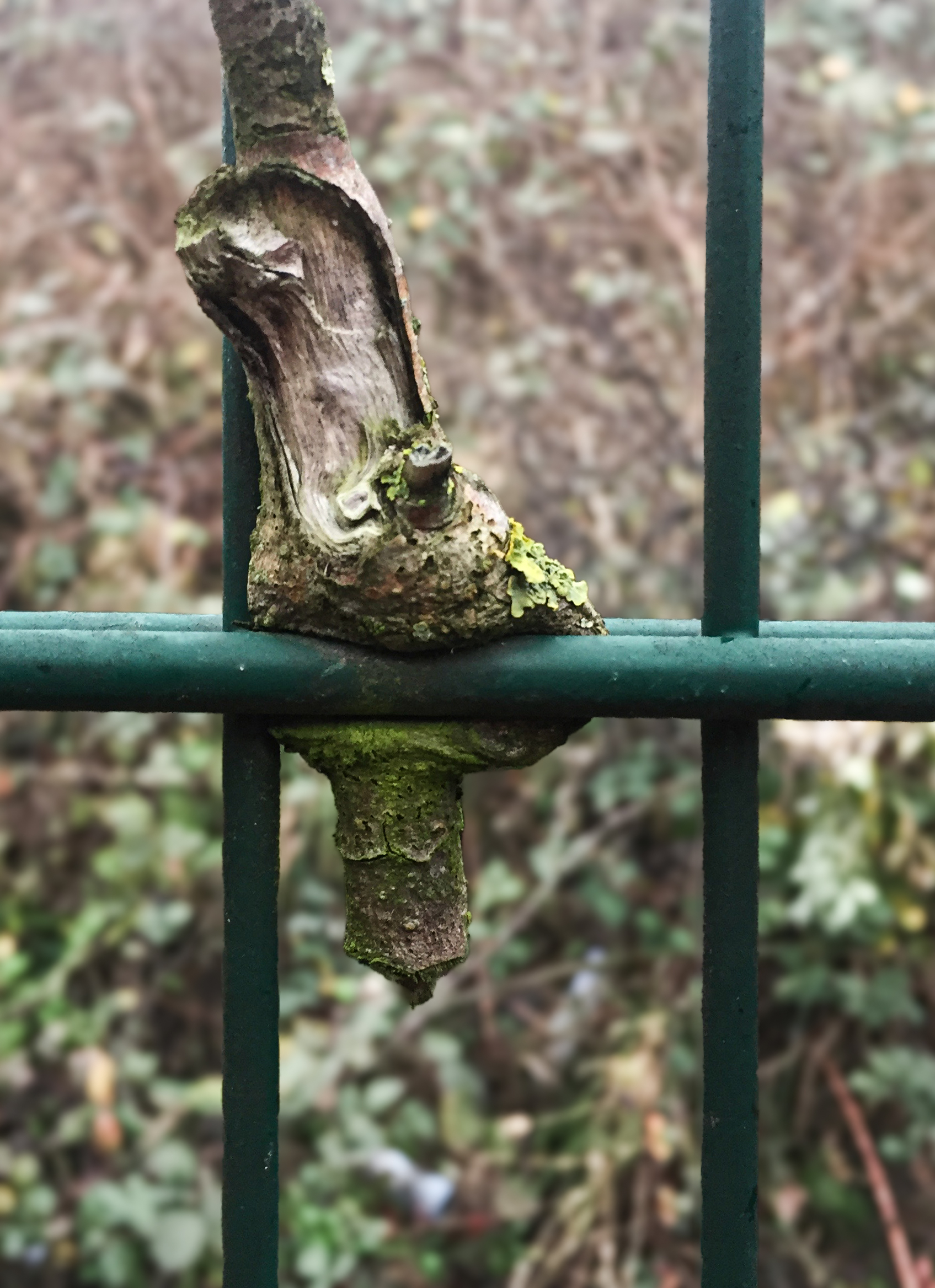
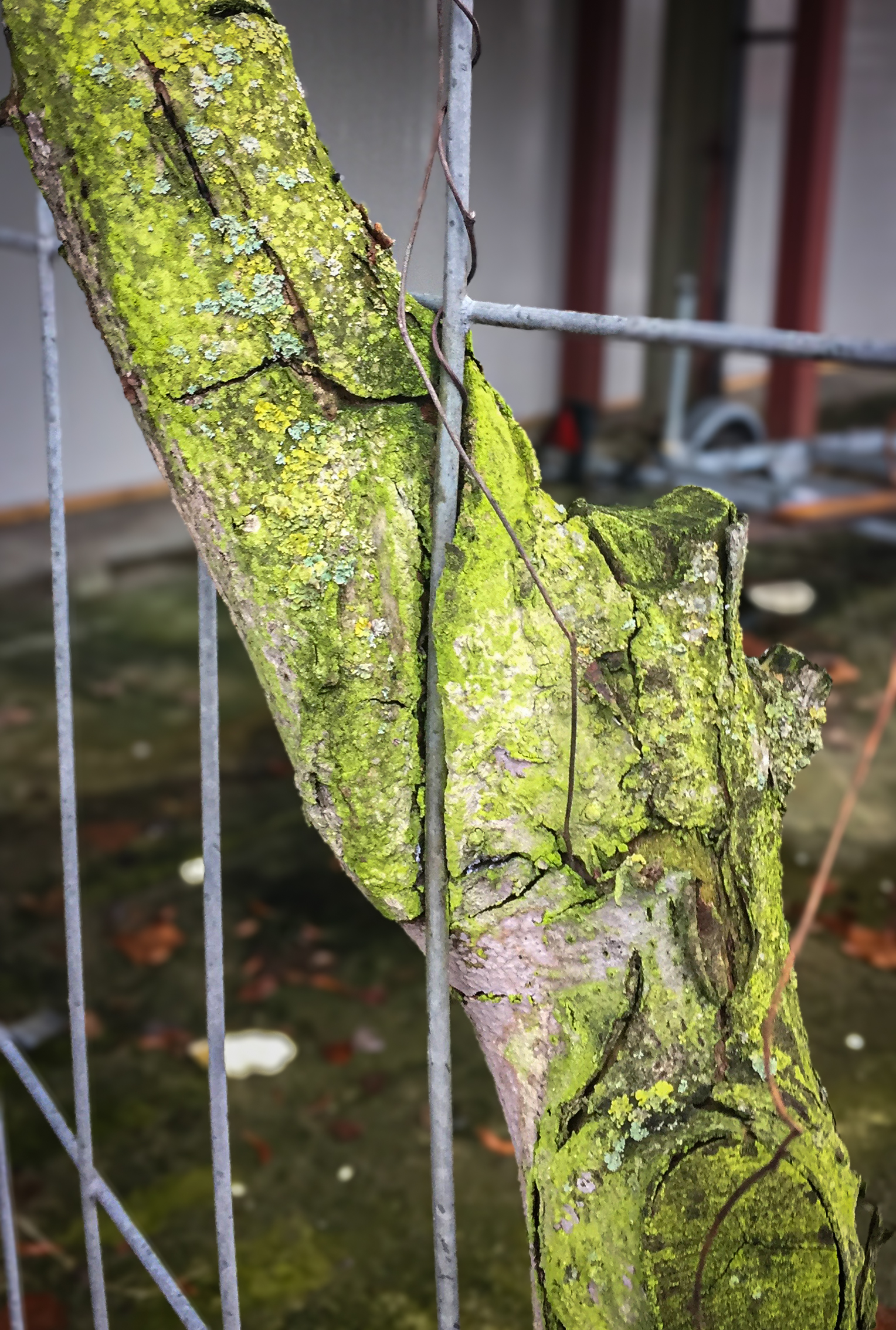
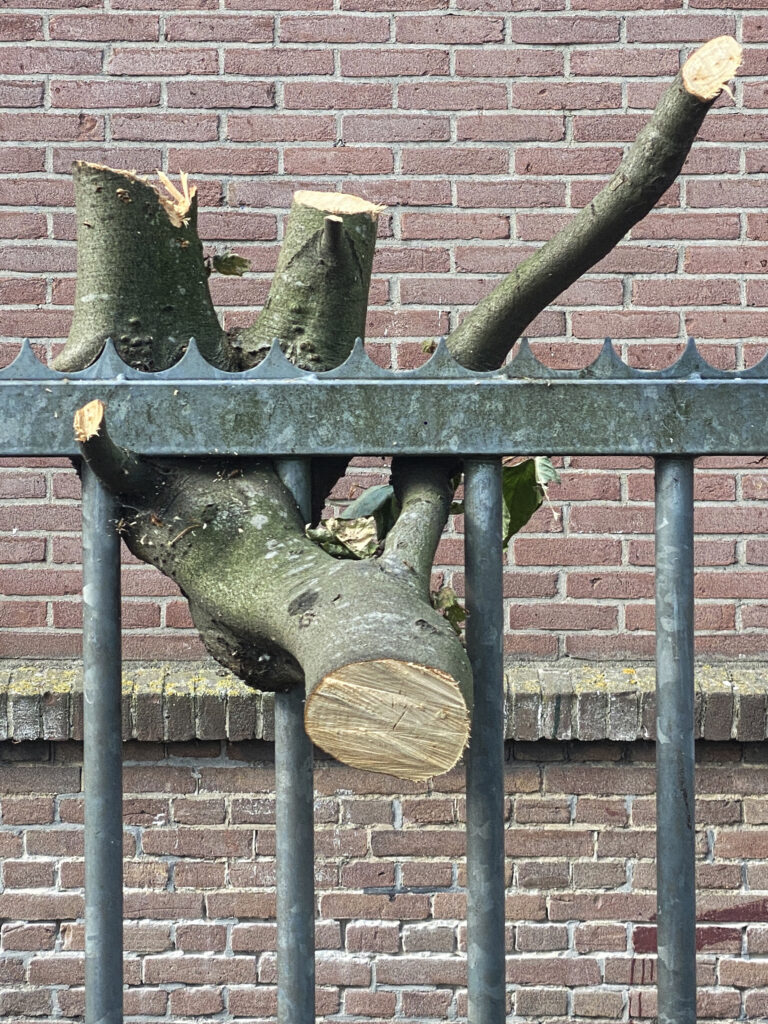
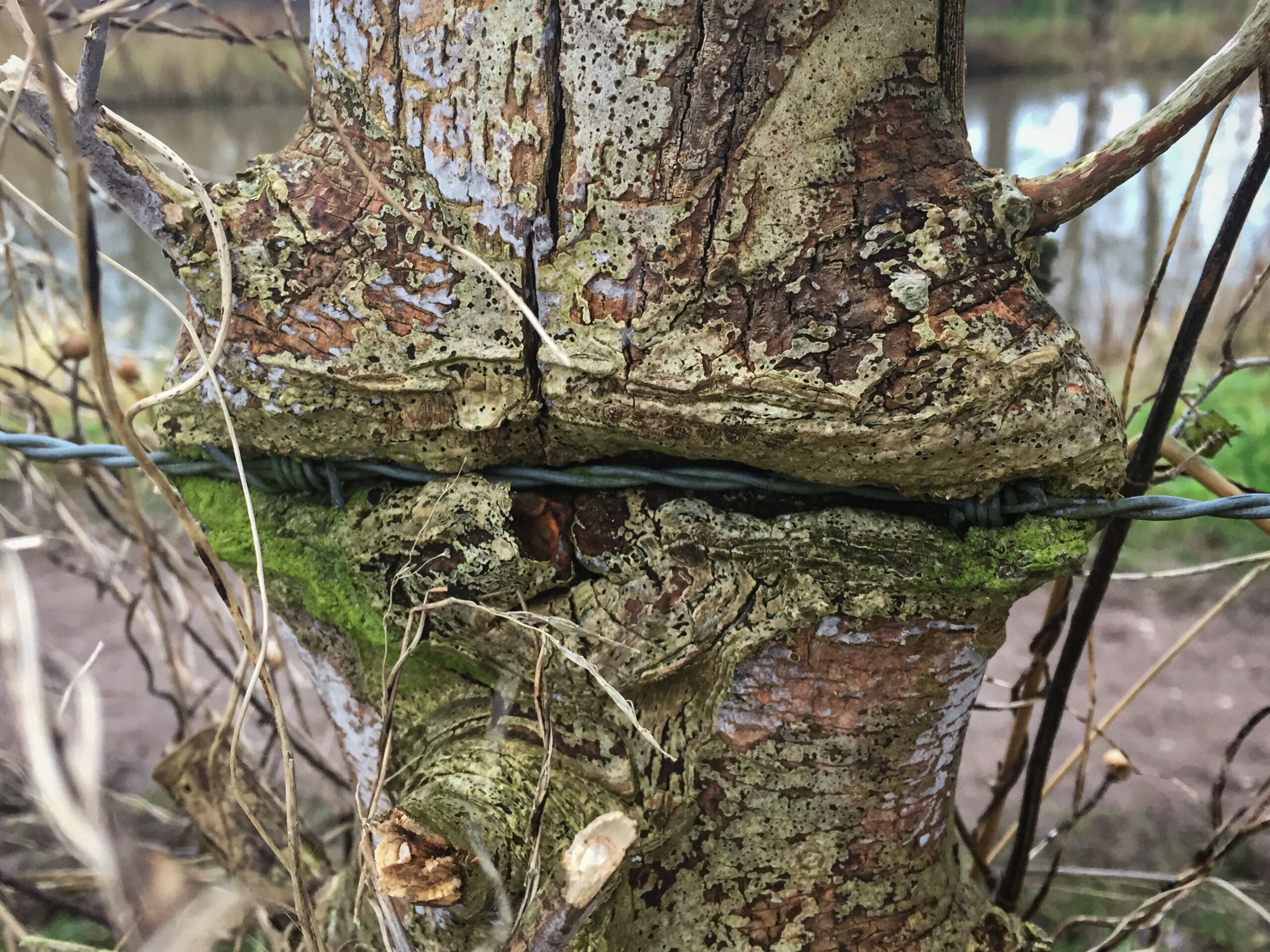
I collect picture of trees that are slowly eating the things humans added to them. Slowly, patiently.
A barbed-wire fence disappears into a fold in the bark. A metal sign, tiles, fences: nothing is safe from nature’s slow embrace. Trees aren’t growing around things, they’re boiling over them. The wood is like slow lava.
There’s a slow cinematic quality to it 🙂 Year after year, what begins as a tiny imprint, it starts embracing, then absorping, then disappearing.









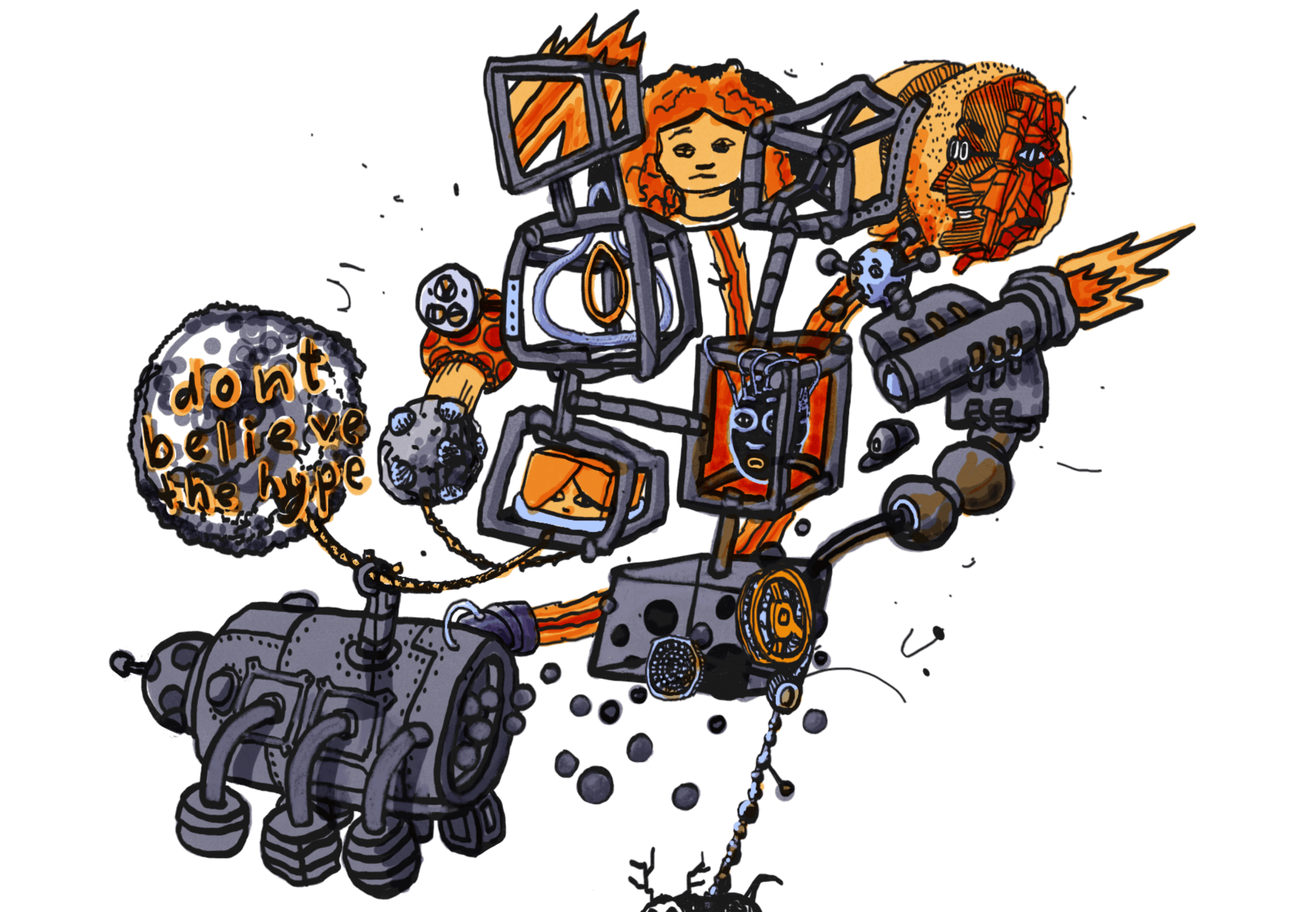


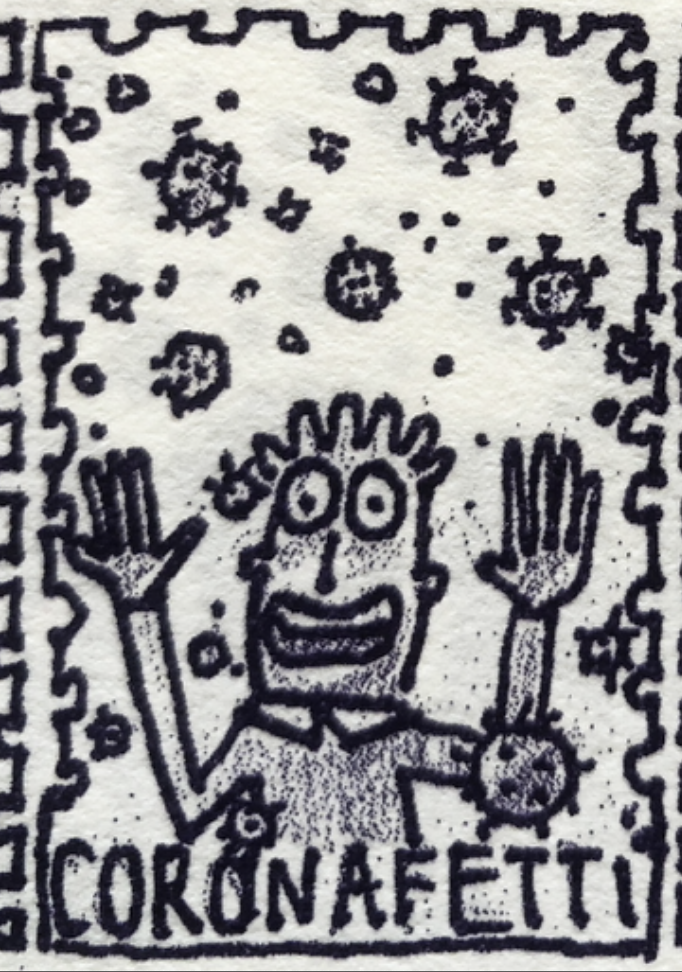
I teach in the illustration major at WDKA, and yet I rarely find time to draw myself. What I manage to do are doodles during meetings. They become pretty intricate (the meetings can be quite long). Doodling resonates with me because I see the world as a vast compost heap: everything decays, everything transforms. We are all biodegradable, always in the process of returning to dust. Doodling is a similar organic process and it shows that in an interesting way.
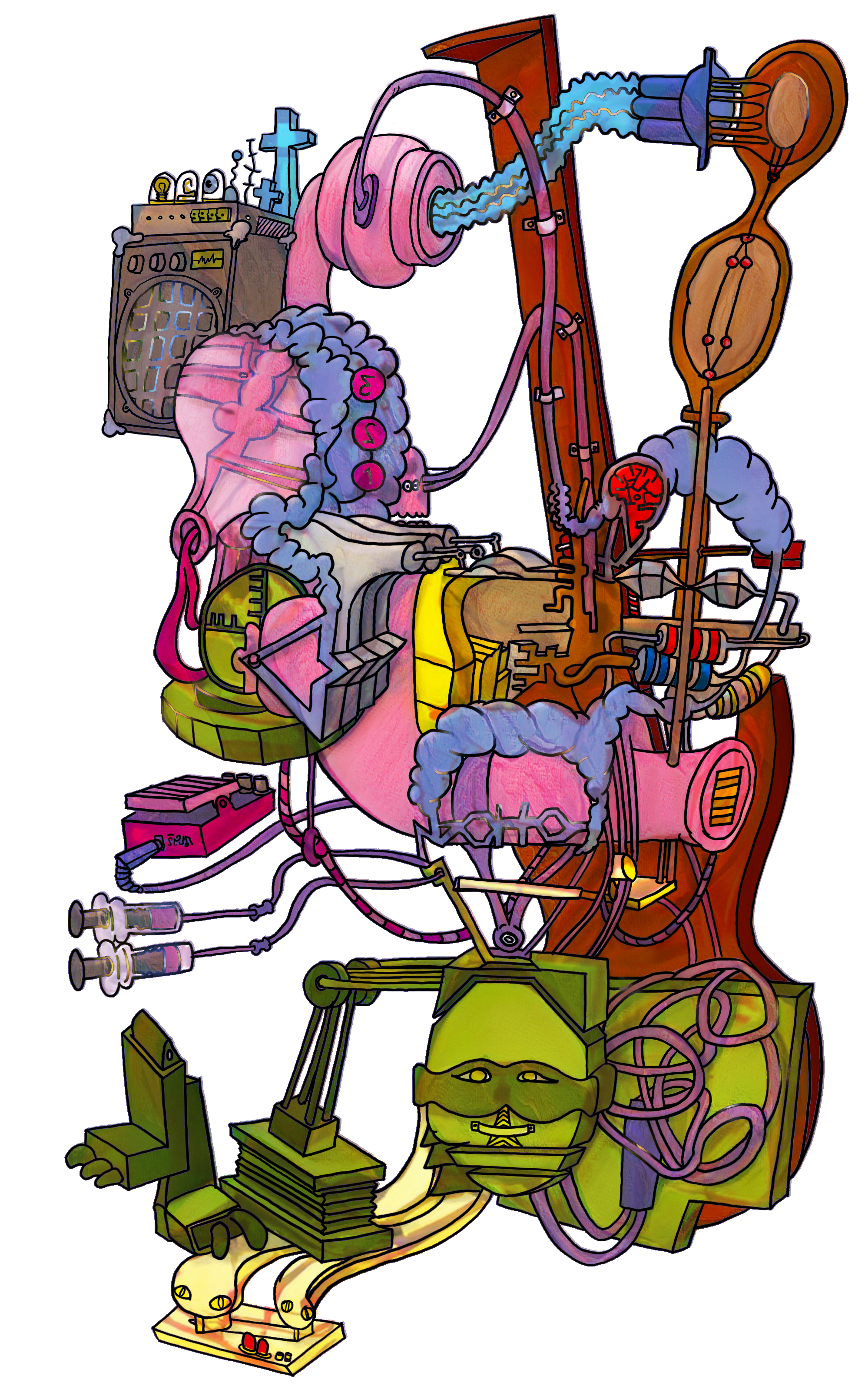

From these scribbles, creatures emerge, cyborg-like insects, alien underwater beings, objects that fuse with humans. Everything is blending, dissolving, recombining.
It is organic growth. What is intersting is that the fable of the grasshopper and the ant is often present: the ant stores, stacks, and plans; the grasshopper sings, dreams, and dances. I have always thought myself as the grasshopper: distracted, imaginative, irresponsibly alive while the world moves on without me.


But I also have changed, I am now a anthopper or a grassant. I am not one or the other. I am a verb, a process, continuous shifting between ant and grasshopper.
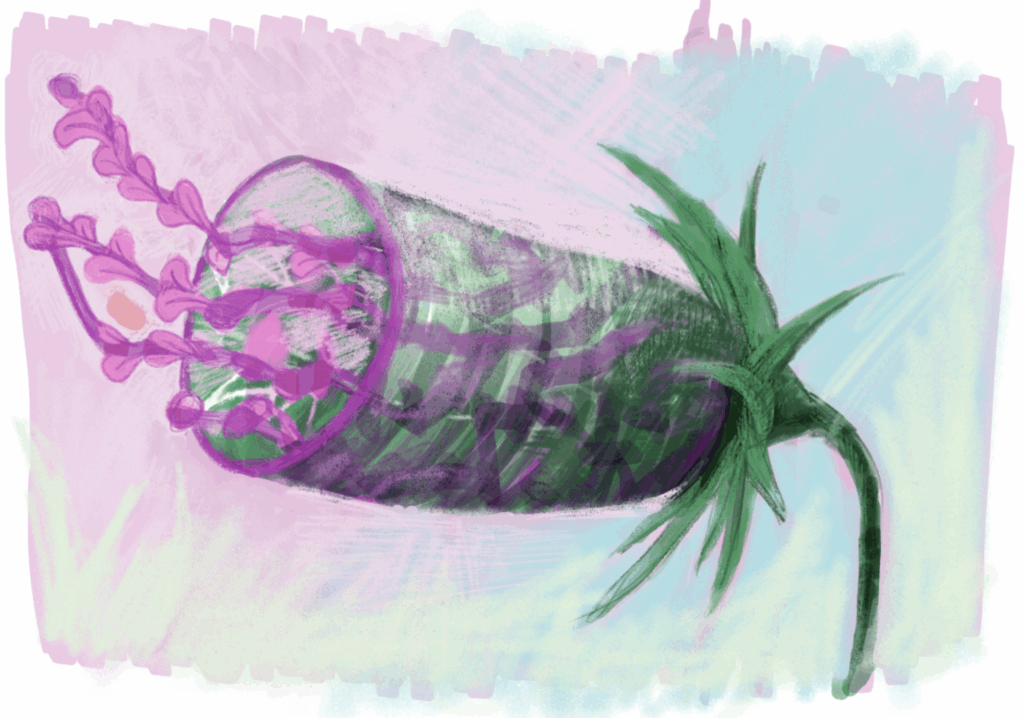
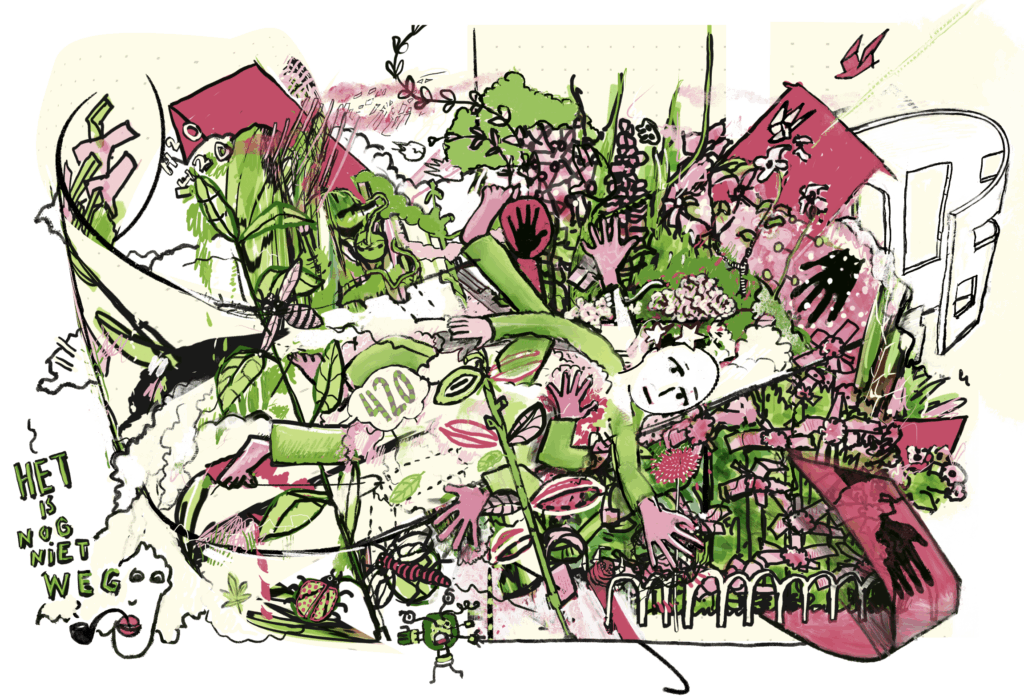

I used to think of death as becoming compost, but you never “become” compost, I already am :-). Always in motion, always growing, always dissolving.
Since there is no end goal to it, doodling is a reflection of this impermanence, the constant blend between creation and decay. Many doodles are not documented here, because they were on paper and discarded!

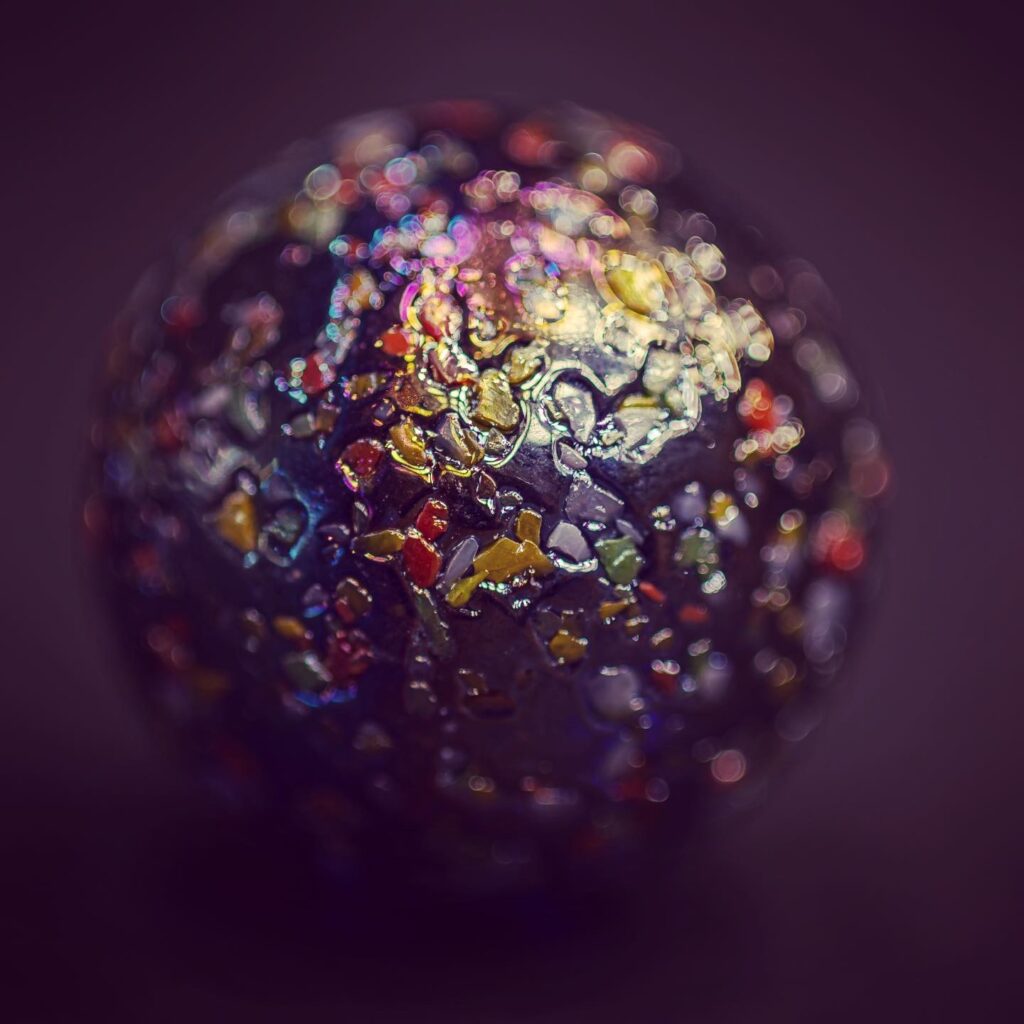
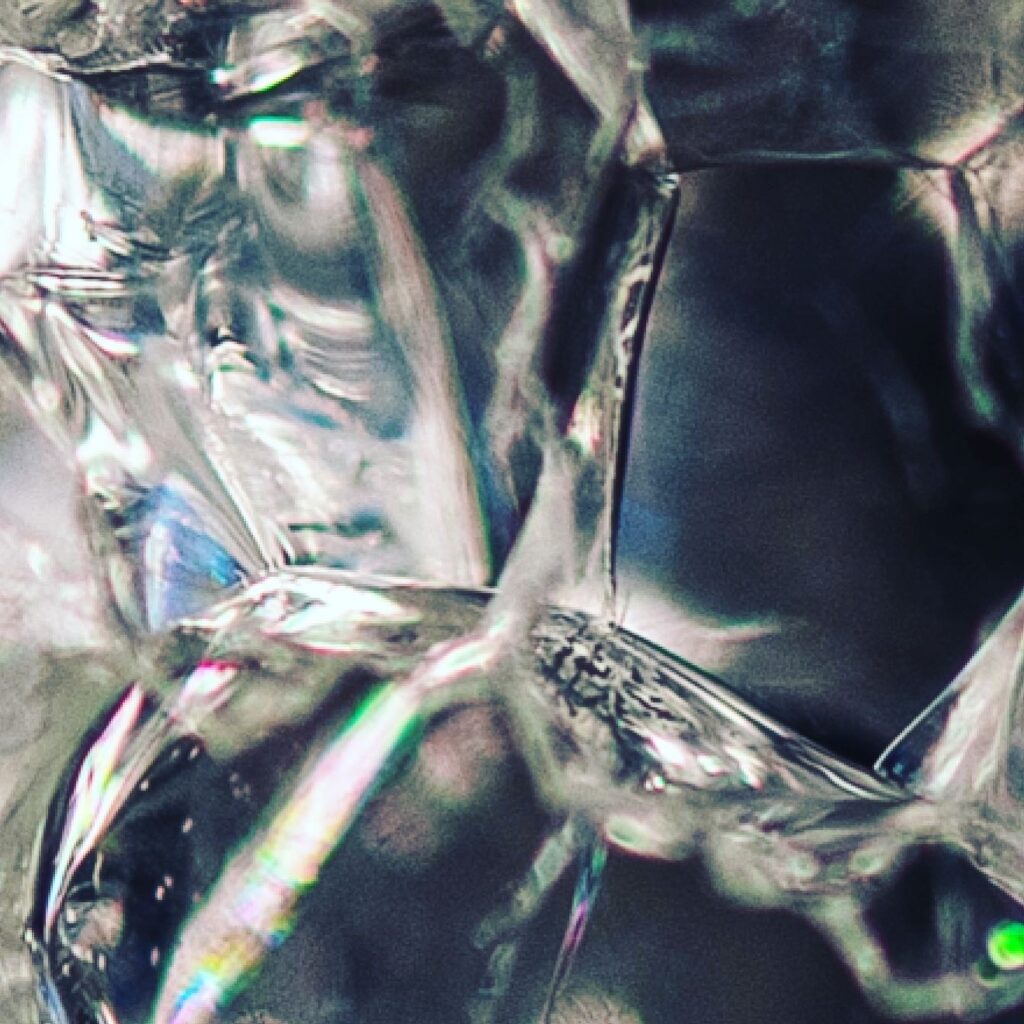
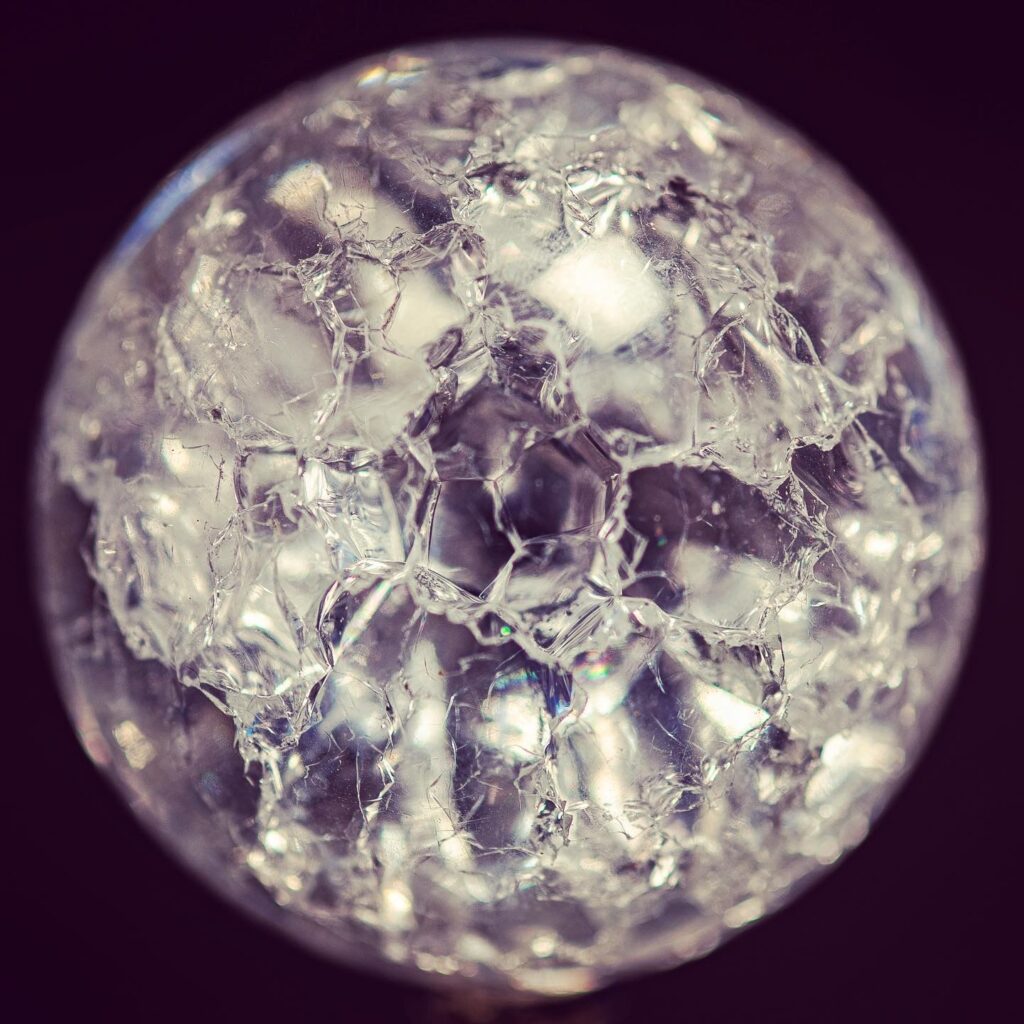
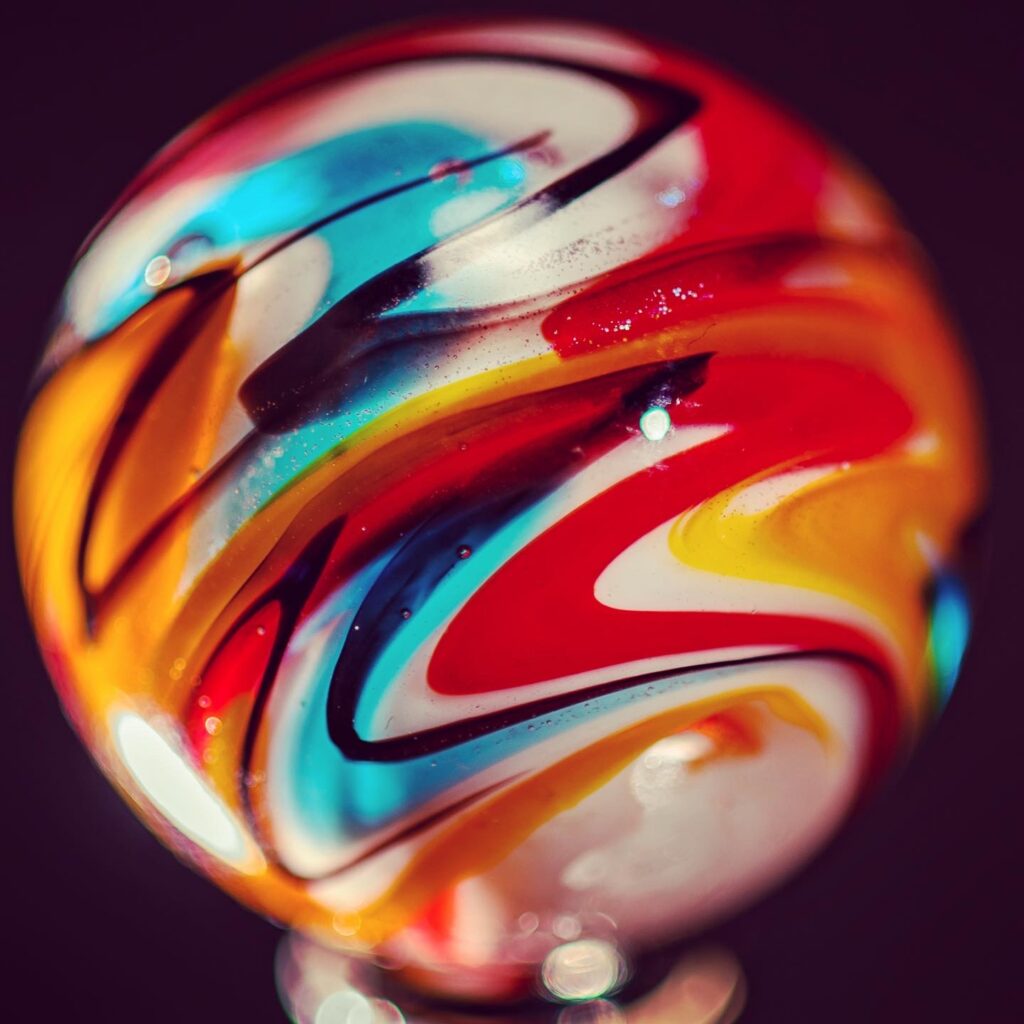
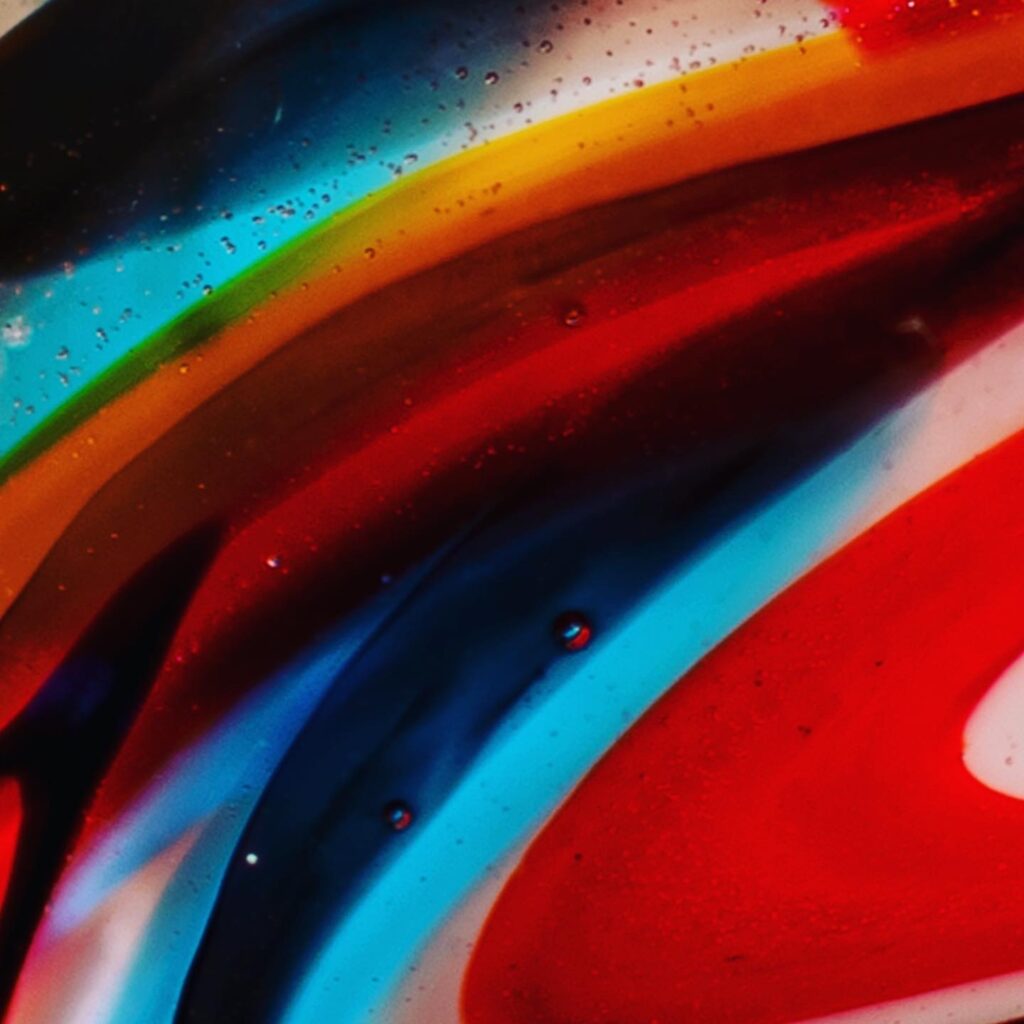
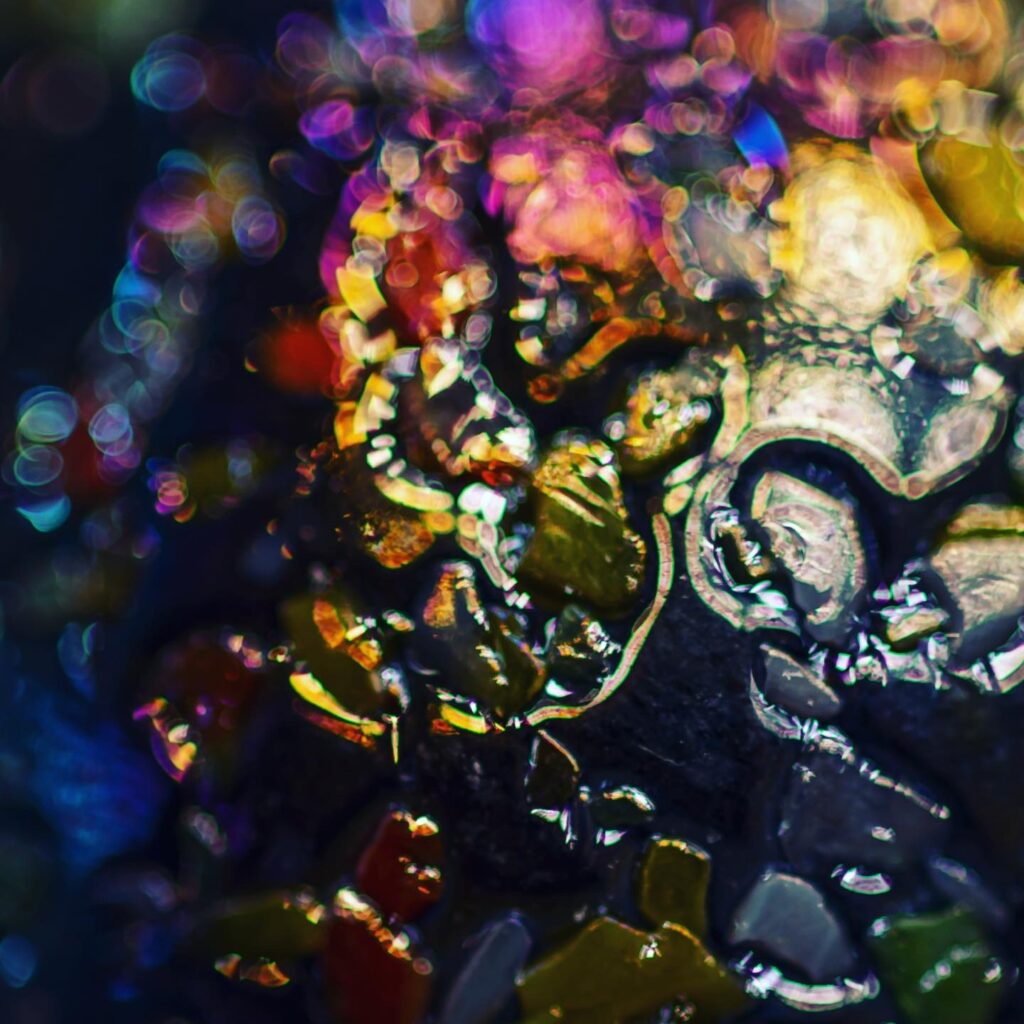
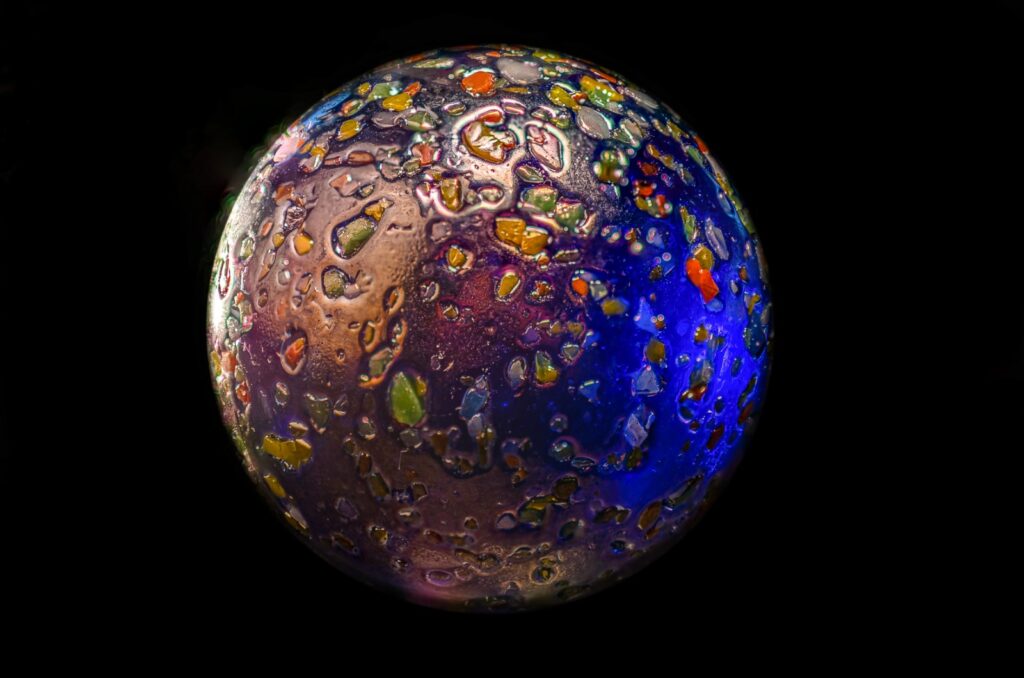
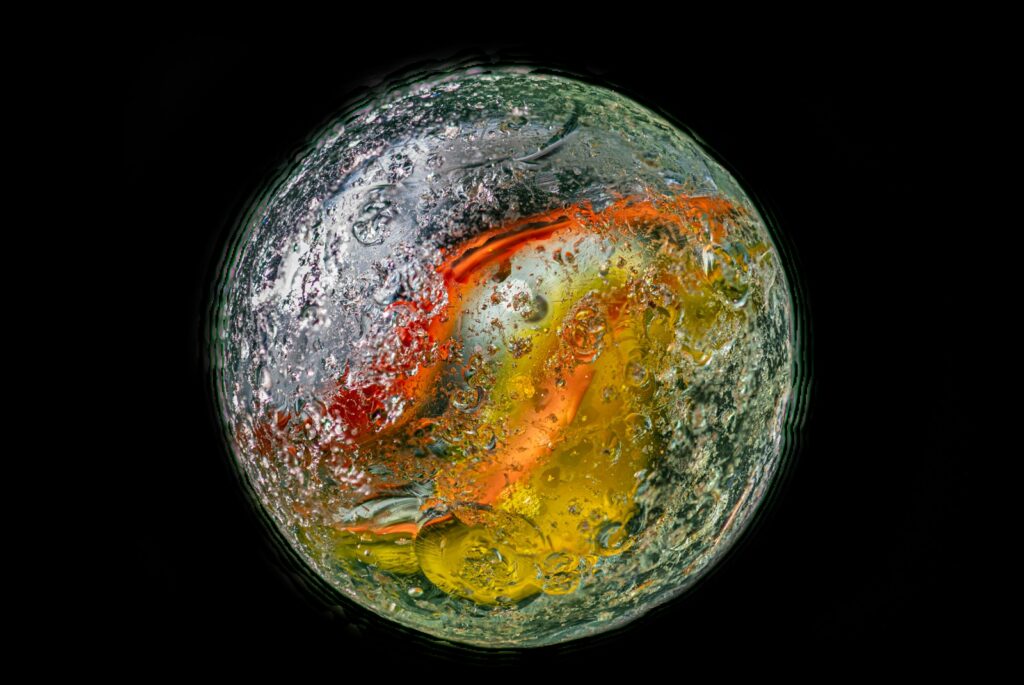
I often drift into fixations with round things. Anything spherical is fascinating to me. Marbles, especially have been in my dreams since I was a child. They’re like small cosmoses, swirling storms, contained galaxies, little worlds you can turn and roll.
They invite play, but also contemplation.
Maybe that’s why I like them. They roll.
I made these pictures with the use of focus stacking so they were very sharp. Then the harddisk with the original was corrupted. No hires versions anymore, all we are is dust in the wind 🙂